
Last Updated on December 19, 2025 by Mandy Gurney
Foods That Support Sleep: Gentle Choices for Calm Bedtimes
Bedtime is a chance for children’s bodies and brains to gently slow down after a busy day, and food can be a surprisingly helpful part of that wind-down. The right choices at the right time can support children to feel calmer, more settled, and ready for sleep.
Many everyday foods contain natural nutrients that help the body produce sleep-supporting hormones and encourage relaxation. When we understand which foods work with sleep, small changes to evening snacks and drinks can become an easy, supportive part of a child’s bedtime routine.
In this blog, I’ll explore simple, child-friendly foods that can help support better sleep. You’ll find ideas for what to add to your weekly shopping basket, gentle guidance on what’s best saved for earlier in the day, and examples of bedtime snacks that nourish growing bodies while supporting restful nights.
Because supporting sleep doesn’t have to be complicated, sometimes it’s about making small, kind choices that help evenings feel calmer for everyone.
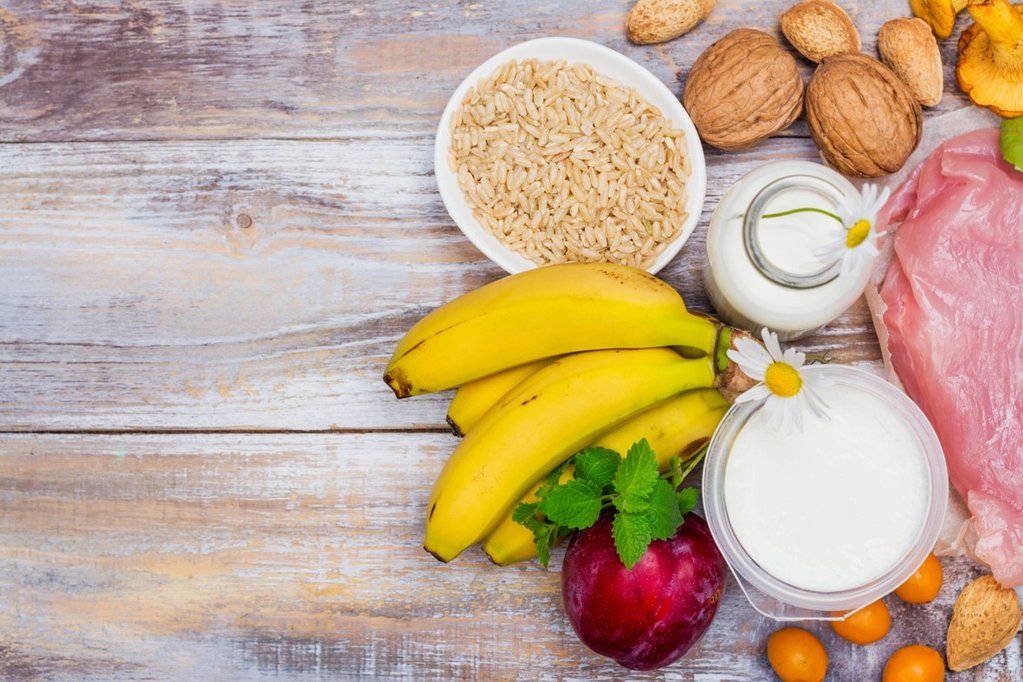
“Sleepers” are tryptophan-containing foods.
Tryptophan is an amino acid that our body uses to make serotonin, the neurotransmitter that slows down nerve traffic to help calm the brain. Serotonin is also the precursor to the sleep-inducing hormone melatonin. In fact, several studies have shown that increasing tryptophan in your diet can improve your levels of melatonin, leading to a positive impact on your sleep.
Many foods high in lean protein, such as chicken and turkey, eggs, fish, peanut butter, nuts, seeds, and cottage cheese, are high in tryptophan and are good “sleeper” foods.
Research also suggests that combining tryptophan-rich foods with complex carbohydrates will help the body get the most benefits from tryptophan. It is best to combine your tryptophan foods with complex carbs such as brown rice, oat cakes, whole grain bread, quinoa, brown pasta, buckwheat or whole-wheat crackers.
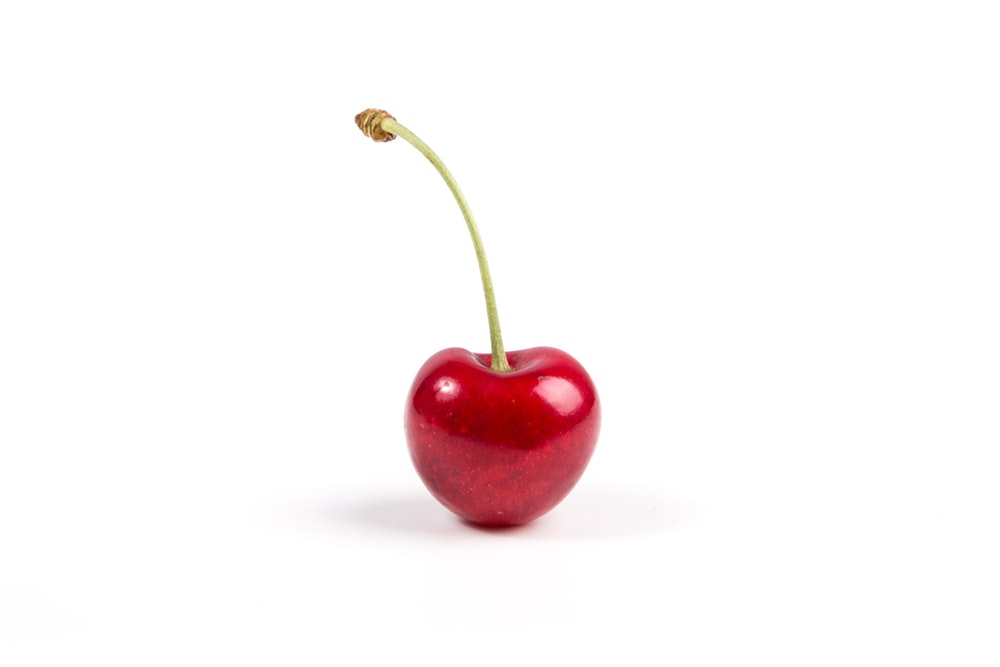
Cherries are one of the few natural foods to contain melatonin. Just a handful of delicious cherries will help promote sleep.
Research has shown nuts such as almonds, walnuts and pistachios are also a good source of melatonin, helping to increase our circulating melatonin.
Bananas can also help promote sleep as they contain the natural muscle-relaxants magnesium and potassium; also good for cardiovascular health and cognitive functioning.

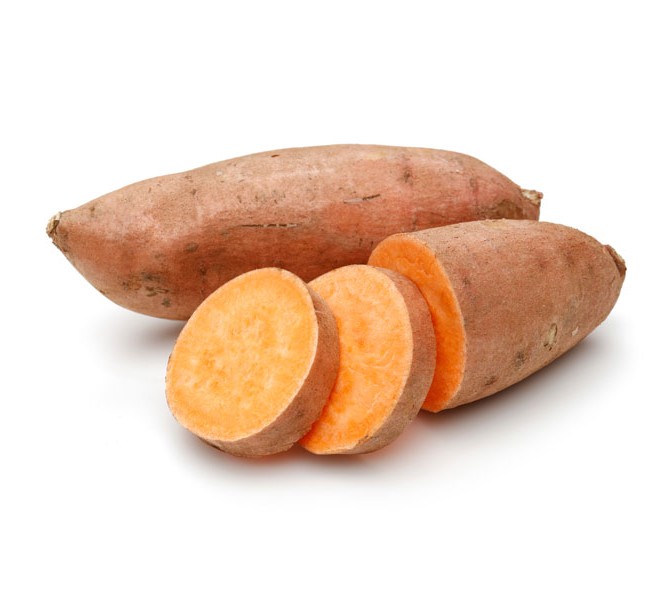
Sweet potatoes are a sleeper’s dream. Not only do they provide sleep-promoting complex carbohydrates, but they also contain muscle-relaxant potassium. Other good sources of potassium include regular potatoes (baked and keep the skin on), lima beans, and papaya.
Wakers are foods that inhibit sleep
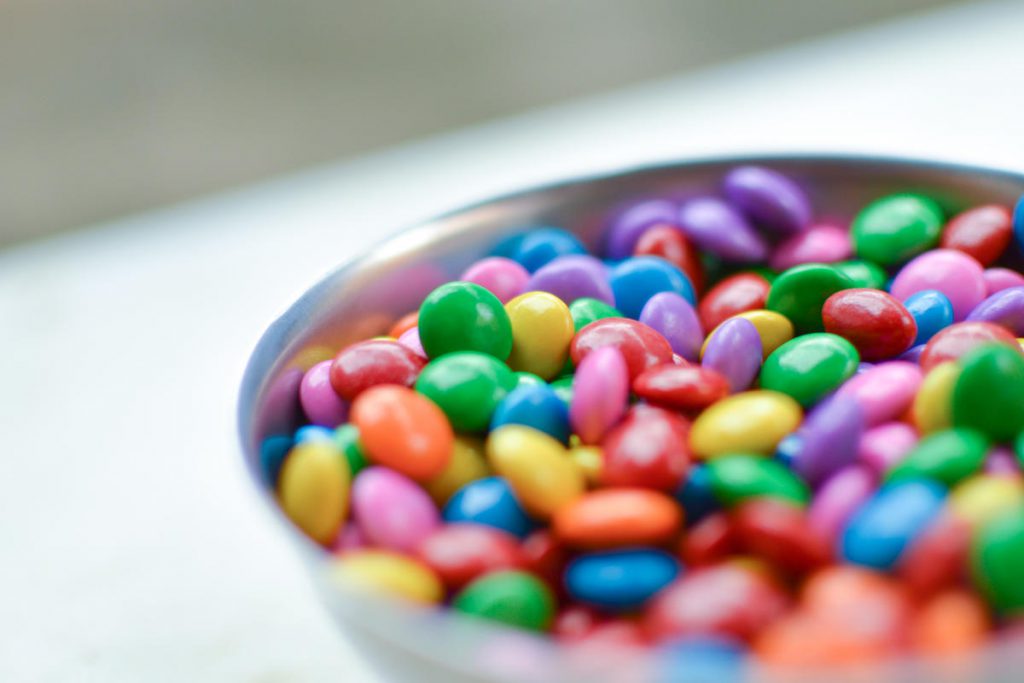
“Wakers” are foods that stimulate neurochemicals that perk up the brain, such as sugar.
Sugary snacks or drinks at bedtime will not only give your child a boost of energy, hindering them from falling asleep, but research has also shown them to be a cause of nightmares.
Typical fizzy drinks contain citrus as well as sodium benzoate and other chemicals, which can aggravate the gastrointestinal tract and promote acid reflux, not a recipe for a good night’s sleep.
Caffeine has a half-life of 5-7 hours, so aim to avoid any caffeinated drinks or food no later than midday.
Tea, coffee, chocolate and Coca-Cola can profoundly disrupt nighttime sleep and delay bedtime; instead, try having a calming herbal tea like Chamomile or Fennel tea.