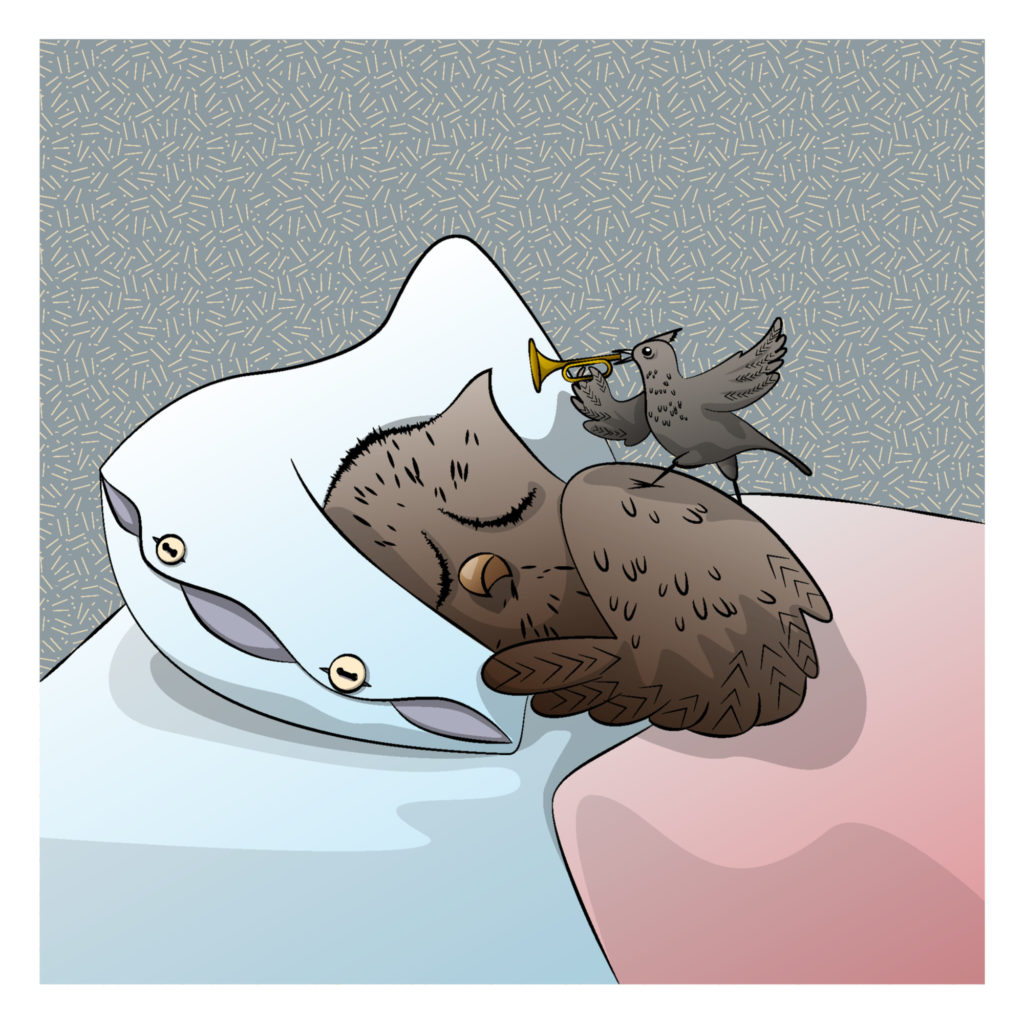
If your baby or child is waking at 4.30 or 5 am every morning, you’re not alone! By 9.00 am, it can already feel like lunchtime because you’ve been up for so long.
Early rising can be utterly exhausting. Long before the rest of the world is awake, you may already have navigated breakfast, early television negotiations, and the familiar feeling of starting the day running on empty.
I understand this personally. Years ago, before I became involved in sleep professionally, my own son was an early riser, and it lasted for three years. At the time, it felt relentless, and like many parents, I questioned whether I was doing something wrong.
Early morning waking is one of the most common sleep concerns parents ask about, particularly in babies, toddlers, and preschool children. But it’s also one of the most misunderstood.
Early rising is rarely caused by just one thing.
It is usually linked to a child’s natural body clock, their total sleep across 24 hours, hunger, or how they fall asleep in the first place.
The first step to helping solve early rising is identifying the cause.

What I didn’t realise then (and what I now see every day in my work) is that early rising is often a clue that we can use to identify the cause.
Your child’s sleep timing, biology, and total sleep needs all play a role. Before trying to “fix” early mornings, the first and most important step is identifying the underlying cause.
Your Child May Have an Early Chronotype (A Natural “Lark”)
Some children are naturally early risers. This is known as an early chronotype, often described as being a “lark”.
- Is genetically influenced
-
Determines when the body naturally feels sleepy and alert
-
Can be present from infancy, becoming clearer over time
Children with an early chronotype often:
-
Wake very early regardless of bedtime
- Putting them to bed later does not shift their morning wake time; they just become even more sleep deprived.
-
Are alert and ready to start the day at dawn
In these cases, early rising reflects an early sleep phase, not sleep problems. The goal becomes protecting total sleep and ensuring bedtime works with your child’s body clock, rather than fighting against it.
Too Much Daytime Sleep for Your Child’s Individual Needs
Children can only sleep so many hours in 24 hours, and this amount varies between children. Research shows that sleep needs vary between individuals, with genetics playing a significant role in how much sleep a child requires across 24 hours (Sleep Foundation).
Some children:
-
Fall at the lower end of normal sleep needs
-
Are genetically wired to need slightly less sleep overall
If your child is getting more daytime sleep than they now need, that sleep is often “taken” from the early morning.
This is common when:
-
A nap has recently lengthened
-
A third or second nap is no longer needed
- Your child no longer needs to nap in the day
-
Sleep needs are reducing with age
Signs this may be the cause:
-
Early waking begins after nap changes
-
Your child wakes early but seems happy
-
Night sleep shortens, while naps stay long

Early Morning Hunger
For babies and some young children, early waking can be driven by genuine hunger, particularly in the early morning hours when sleep pressure is lighter.
This may be more likely if:
-
Your baby has had a recent growth spurt
-
Daytime milk or food intake has changed
-
Feeding helps your baby go back to sleep
It’s also important to gently explore whether the waking is hunger-led or habit-led, as repeated early feeds can sometimes reinforce early rising.

Sleep Onset Associations
If your child relies on certain conditions to fall asleep, such as feeding, rocking, holding, or a parent’s presence, they may need the same support when they naturally wake in the early morning.
Early morning sleep:
-
Is lighter
-
Is more fragmented
-
Is harder to resettle independently
This can mean a child wakes early and cannot return to sleep without help, even though they are still tired.

The most effective way to improve early mornings is to:
- Understand your child’s biology and sleep needs
-
Look at their sleep timing across the whole day
-
Identify what’s driving the early waking
-
Make gentle, targeted changes
Early Rising Is a Clue, Not a Behaviour Problem
At Millpond Children’s Sleep Clinic, we don’t use one-size-fits-all solutions. Early morning waking is a signal, and every child’s sleep needs are different.
By taking time to understand your child’s individual sleep patterns, genetics, and development, we can help you move towards calmer mornings and better sleep for the whole family.
If early rising is leaving you exhausted, personalised support can make all the difference.

Frequently Asked Questions About Early Rising
Why does my child wake at 5 am every morning?
Common causes include an early chronotype, too much daytime sleep, early morning hunger, or sleep associations that make resettling difficult.
Is early rising normal in toddlers?
Yes, early morning waking is common in toddlers, especially during nap transitions or when sleep needs reduce.
Should I put my child to bed later if they wake early?
Not always. For many children, later bedtimes can actually lead to earlier waking due to overtiredness.
Can early rising be genetic?
Yes. Chronotype and sleep needs are strongly influenced by genetics, meaning some children naturally wake earlier than others.
Early rising in children can feel relentless, but once you understand why your child is waking early, it becomes much easier to support better sleep across the whole family.