Last Updated on July 24, 2026 by Mandy Gurney
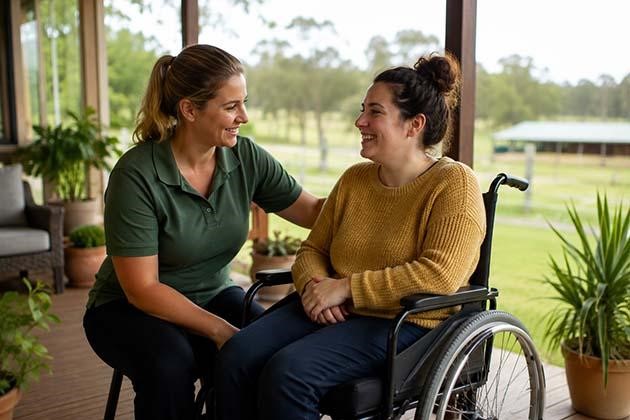
Supported Independent Living (SIL) helps NDIS participants build confidence by providing personalised support while encouraging independence. Participants learn valuable everyday life skills such as cooking, cleaning, budgeting, communication, and community participation, enabling them to live more independently and improve their overall quality of life.
Introduction
For many people living with disability, independence isn’t about doing everything alone—it’s about having the right support to achieve personal goals and live with confidence.
That’s exactly what Supported Independent Living (SIL) is designed to provide.
Rather than simply offering accommodation, Supported Independent Living empowers participants to develop practical life skills, gain confidence in everyday activities, and enjoy greater control over their daily lives. With personalised support tailored to individual needs, SIL creates opportunities for participants to grow at their own pace while receiving assistance whenever it’s needed.
In this guide, we’ll explore how Supported Independent Living helps participants build confidence, develop everyday life skills, and achieve a more independent future.
What Is Supported Independent Living?
Supported Independent Living (SIL) is an NDIS-funded support designed for participants who need regular assistance with daily activities while living as independently as possible.
Rather than focusing solely on accommodation, SIL provides ongoing support that helps participants manage everyday routines, develop practical skills, and achieve personal goals. The level of support varies depending on individual needs and may include assistance with personal care, household tasks, meal preparation, medication management, and community participation.
The primary goal of Supported Independent Living is to empower participants—not to do everything for them, but to provide the right level of guidance so they can become more confident and capable over time.
How Supported Independent Living Builds Confidence
Confidence doesn’t develop overnight. It grows through consistent encouragement, positive experiences, and opportunities to make independent decisions.
Supported Independent Living creates an environment where participants are encouraged to try new things while knowing support is always available when needed.
Instead of completing tasks on behalf of participants, experienced support workers often focus on teaching and encouraging. This approach allows participants to gain confidence by successfully completing everyday activities at their own pace.
As participants begin achieving small goals, they often become more motivated to take on new challenges and continue developing their independence.
Learning Through Everyday Experiences
One of the greatest strengths of Supported Independent Living is that learning happens naturally throughout daily life.
Participants have opportunities to practise skills such as:
- Preparing healthy meals
- Cleaning and organising living spaces
- Washing clothes
- Grocery shopping
- Managing appointments
- Using public transport
- Budgeting and handling money
- Planning daily routines
These may seem like simple tasks, but mastering them can significantly improve a person’s confidence and independence.
Over time, everyday responsibilities become familiar routines rather than difficult challenges.
Developing Essential Everyday Life Skills
Every participant has different goals, which is why Supported Independent Living focuses on personalised skill development.
Some of the most valuable everyday life skills include:
Personal Care
Participants can build confidence in managing personal hygiene, dressing, grooming, and maintaining healthy daily routines while receiving support that respects their independence and dignity.
Cooking and Nutrition
Preparing meals is an important part of independent living. Participants may learn how to plan meals, prepare nutritious food, use kitchen equipment safely, and make healthier food choices.
Household Management
Keeping a home clean and organised helps participants develop responsibility and pride in their living environment. Support may include learning cleaning routines, laundry, organising personal belongings, and maintaining shared spaces.
Budgeting and Money Management
Learning how to manage personal finances is another important life skill. Participants may develop budgeting habits, understand everyday expenses, and make informed purchasing decisions.
Communication Skills
Supported Independent Living also encourages participants to communicate confidently with support workers, healthcare professionals, family members, and the wider community.
Improved communication often leads to greater self-advocacy and increased confidence when expressing personal needs and preferences.
Encouraging Choice and Independence
A key principle of Supported Independent Living is promoting participant choice.
Rather than making decisions for participants, support workers encourage them to:
- Make daily choices
- Set personal goals
- Participate in household decisions
- Develop problem-solving skills
- Build confidence in making independent decisions
This person-centred approach helps participants feel more in control of their lives and encourages greater self-confidence over time.
Building Social Confidence Through Community Participation
Confidence isn’t only built at home.
Meaningful participation in the community plays an important role in helping participants develop social skills and independence.
Supported Independent Living may encourage participants to become involved in activities such as:
- Visiting local cafés
- Shopping independently
- Joining community events
- Participating in recreational activities
- Developing friendships
- Learning new hobbies
- Volunteering where appropriate
These experiences help participants become more comfortable in different environments while building stronger social connections.
As confidence grows, many participants become more willing to explore new opportunities and participate actively in their communities.
Personalised Support Makes the Difference
No two participants have the same goals or support needs.
That’s why quality Supported Independent Living providers create personalised support plans based on each individual’s abilities, interests, and aspirations.
Whether someone wants to become more independent in cooking, improve communication skills, or gain confidence using public transport, personalised support helps ensure progress is meaningful and achievable.
This individualised approach allows participants to celebrate success at every stage of their journey, creating lasting confidence that extends well beyond everyday routines.
Long-Term Benefits of Supported Independent Living
The impact of Supported Independent Living extends far beyond learning everyday tasks. As participants continue to build confidence and develop practical skills, they often experience positive changes in many areas of life.
Some of the long-term benefits include:
- Increased independence in daily routines
- Greater confidence when making decisions
- Improved communication skills
- Better emotional wellbeing
- Stronger social connections
- Increased participation in community activities
- Enhanced problem-solving abilities
- Improved quality of life
Over time, many participants discover they are capable of achieving far more than they initially believed. This growing sense of achievement encourages continued learning and personal development.
How Families Benefit from Supported Independent Living
Supported Independent Living doesn’t just benefit participants—it also provides reassurance for families.
Knowing that a loved one is receiving personalised support while developing greater independence can reduce stress and provide peace of mind.
Families often notice positive changes such as:
- Increased confidence
- Improved daily routines
- Better communication
- Greater responsibility
- Enhanced social interaction
- More positive outlook on life
Many families also appreciate becoming active partners in the participant’s journey, celebrating milestones and supporting long-term goals together.
Common Myths About Supported Independent Living
There are still several misconceptions about Supported Independent Living. Understanding the facts can help participants and families make informed decisions.
Myth 1: SIL Means Losing Independence
The opposite is true.
Supported Independent Living is specifically designed to help participants become more independent, not less.
Myth 2: Everyone Receives the Same Support
Every participant has different needs.
Support plans are personalised based on individual goals, abilities, and NDIS funding.
Myth 3: Supported Independent Living Is Only About Accommodation
Accommodation is just one part of SIL.
The real focus is helping participants build everyday life skills, confidence, and independence while enjoying meaningful participation in their community.
Myth 4: Progress Happens Quickly
Building confidence takes time.
Supported Independent Living encourages gradual, sustainable progress, allowing participants to develop new skills at a pace that suits their individual needs.
Choosing the Right Supported Independent Living Provider
Selecting the right provider is an important step towards achieving greater independence.
When comparing providers, consider whether they:
- Deliver personalised support plans
- Encourage participant choice and decision-making
- Focus on building everyday life skills
- Promote community participation
- Create a safe, welcoming, and home-like environment
- Employ experienced and compassionate support staff
- Work collaboratively with participants and their families
A provider that values individuality and person-centred support can make a significant difference in a participant’s long-term success.
Frequently Asked Questions
What is Supported Independent Living (SIL)?
Supported Independent Living (SIL) is an NDIS-funded support that helps eligible participants live as independently as possible while receiving assistance with daily tasks such as personal care, cooking, cleaning, and household management.
Does Supported Independent Living help build confidence?
Yes. SIL encourages participants to learn new skills, make everyday decisions, and achieve personal goals with personalised support, helping them build confidence over time.
What everyday life skills can participants learn through SIL?
Participants may develop skills including cooking, cleaning, budgeting, laundry, shopping, communication, personal care, time management, and community participation.
Is Supported Independent Living suitable for everyone?
SIL is designed for eligible NDIS participants who require regular support with daily living. The level of support depends on individual goals and assessed needs.
Can Supported Independent Living improve quality of life?
Yes. By promoting independence, encouraging social participation, and helping participants build practical life skills, SIL can significantly improve overall wellbeing and quality of life.
How do I choose the right Supported Independent Living provider?
Look for a provider that offers personalised support, experienced staff, participant-focused care, opportunities for skill development, and a safe, welcoming environment.
How long does it take to become more independent in SIL?
Everyone progresses at a different pace. With consistent support and practice, participants often gain confidence and independence gradually over time.
Why are everyday life skills important in Supported Independent Living?
Everyday life skills enable participants to manage daily routines more independently, make
Conclusion
Supported Independent Living is about far more than receiving daily support—it’s about empowering people to live with confidence, dignity, and independence.
By encouraging participants to develop practical life skills, make everyday decisions, and actively engage with their communities, SIL creates opportunities for lasting personal growth and improved quality of life.
For individuals and families looking for a provider that combines compassionate care with a peaceful rural lifestyle, Lily Rose Retreats offers personalised Supported Independent Living in a welcoming farm-style environment. Our goal is to help every participant build confidence, strengthen everyday life skills, and enjoy greater independence at their own pace.
If you’d like to learn more about our Rural Supported Independent Living services, contact Lily Rose Retreats today and discover how the right support can help you or your loved one thrive.
0 Comments