Last Updated on August 13, 2026 by Mandy Gurney
Night Terrors in Children: Causes, Symptoms and What Parents Can Do
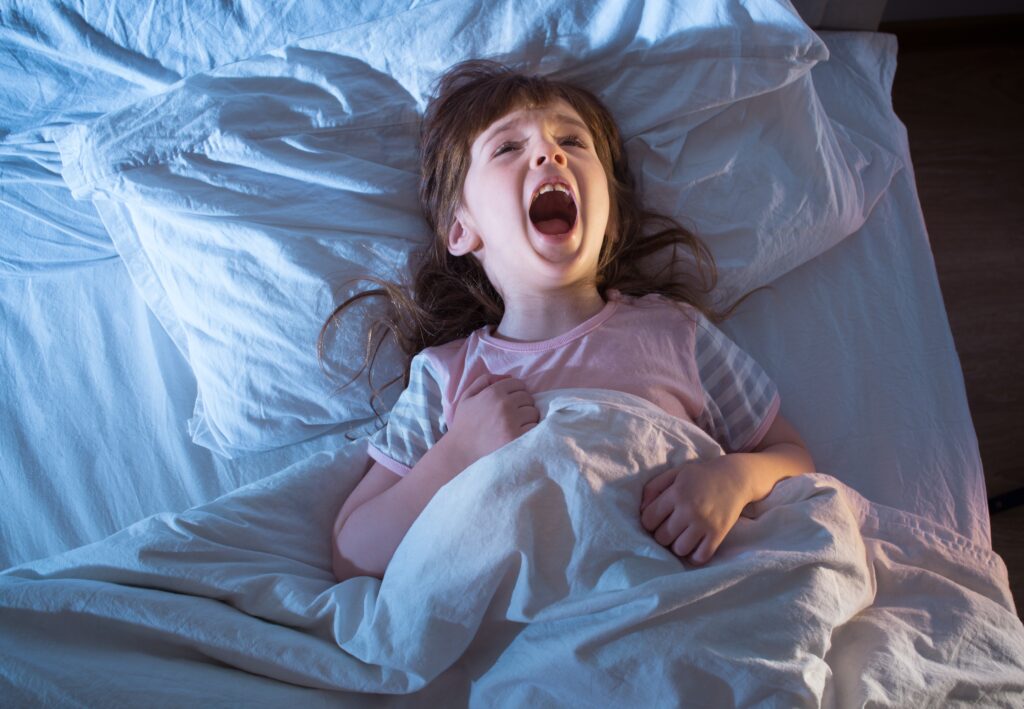
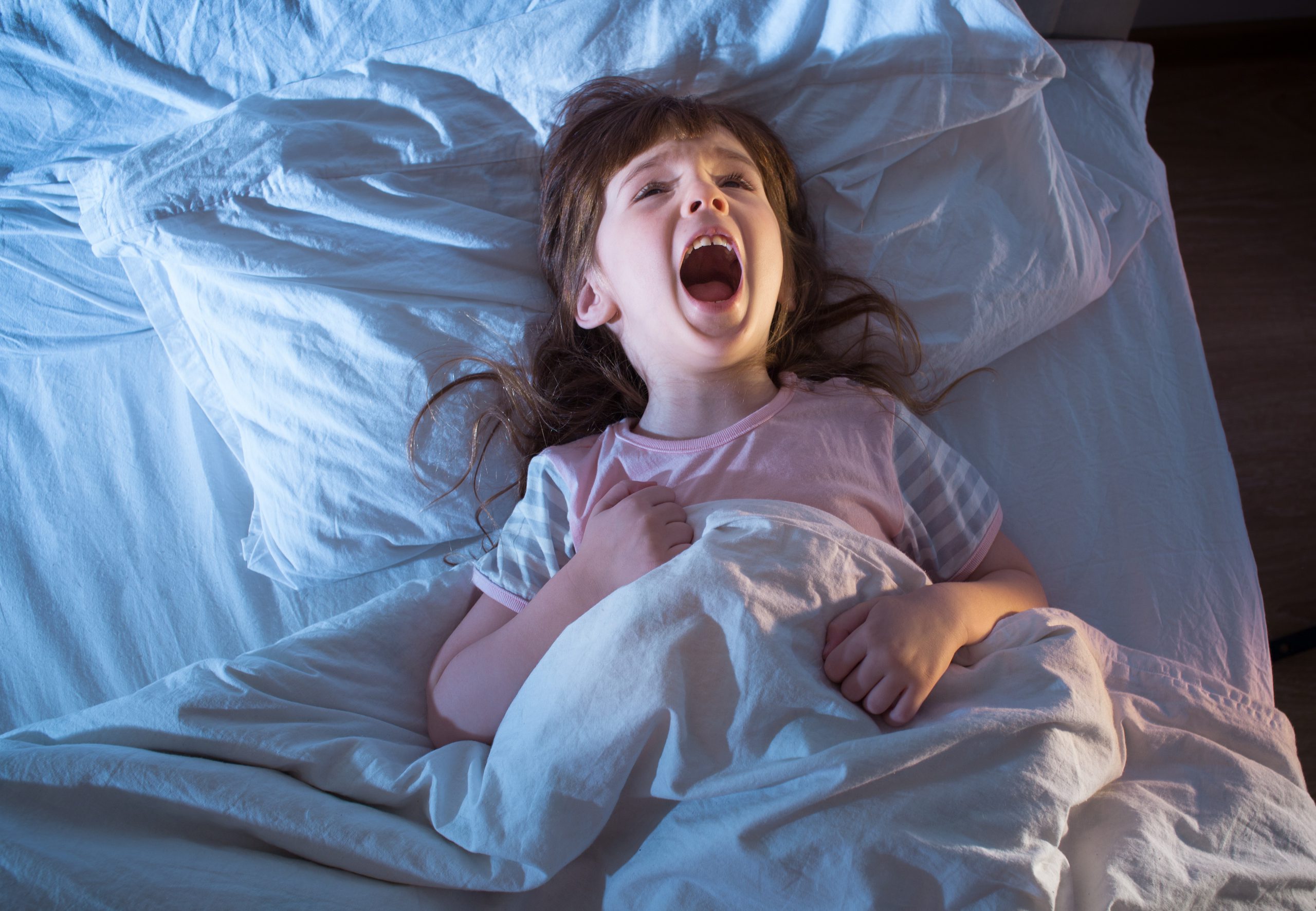
Night terrors can be extremely frightening to watch, particularly when your child suddenly screams, cries, sits up, looks terrified or appears not to recognise you. The reassuring news is that night terrors are usually a type of parasomnia arising from deep non-rapid eye movement (NREM) sleep, rather than a sign that your child is experiencing a frightening dream.
Night terrors are most common in younger children, but they can occasionally continue into the school years and adolescence. If an older child suddenly starts having night terrors, or episodes become frequent, it is worth looking more closely at their overall sleep pattern and possible triggers.
What are night terrors?
A night terror is an episode in which a sleeping child appears to wake suddenly in a state of intense fear or agitation. They may scream, cry, sit up, stare with their eyes open, sweat, breathe rapidly, have a racing heart or push away anyone trying to comfort them.
Although your child may look completely awake, they are usually still deeply asleep. They may not recognise you or respond normally to questions or attempts to comfort them.
Night terrors usually happen during the first part of the night, when children have more deep NREM sleep. An episode commonly lasts for several minutes, although it can sometimes last longer.
The most important thing to remember is that what you are seeing can look much more frightening than it feels to your child. Most children have little or no memory of the episode the following morning.
What is the difference between night terrors and nightmares?
Night terrors and nightmares can look similar, but they are different sleep phenomena.
| Night terrors | Nightmares |
|---|---|
| Usually occur during the first part of the night | Can occur at any time, but are more common later in the night |
| Arise from deep NREM sleep | Usually occur during REM sleep |
| Child may scream, cry or appear terrified | Child wakes frightened from a dream |
| Child may not recognise or respond to parents | Child usually recognises parents |
| Attempts to wake them may make them more distressed | Waking and comforting them is usually helpful |
| Usually little or no memory the next morning | Child may remember the dream |
Understanding this difference can help you decide how best to respond.
The NHS also provides information about night terrors and nightmares, including how to recognise the difference between the two and what to do when a night terror occurs.
What causes night terrors in children?
There isn’t usually one single cause of night terrors. They tend to occur when a child’s sleep is disrupted or when there is increased pressure for deep sleep.
Several factors can make night terrors more likely.
Not getting enough sleep
Sleep deprivation and overtiredness are important triggers.
When a child doesn’t get enough sleep, the body can compensate by increasing the amount and intensity of deep sleep. This can make night terrors more likely.
Think about whether your child is getting enough sleep for their age and whether they are going to bed before they become overtired.
Irregular sleep patterns
Changes to bedtime and wake-up times, late nights, sleeping in at weekends or changes to daytime sleep can affect the organisation of sleep.
A regular sleep and wake schedule can help stabilise your child’s sleep pattern.
Illness
Fevers and illness can temporarily disrupt sleep and may trigger night terrors in a child who is already prone to them.
Stress and changes in routine
Emotional stress, changes at home or school, travelling, holidays and other disruptions can affect sleep.
It is important, however, not to assume that a night terror means your child is psychologically distressed. Often it is the effect of disrupted or insufficient sleep that increases the likelihood of an episode.
A family tendency
Night terrors and other parasomnias can run in families. If a parent experienced night terrors, sleepwalking or similar episodes during childhood, their child may be more likely to experience them too.
Other sleep problems
Anything that repeatedly disrupts sleep may potentially contribute to night terrors.
For example, it may be worth considering whether your child has symptoms of sleep-disordered breathing, restless legs or periodic limb movements, particularly if they also have restless sleep, snoring, unusual movements or significant daytime tiredness.
If you are concerned about an underlying medical or sleep problem, discuss this with your GP or appropriate healthcare professional.
What should I do during a night terror?
Although it can be very difficult to remain calm when your child appears terrified, the best approach is usually to keep them safe and allow the episode to pass.
You can:
- Stay calm and remain nearby.
- Make sure your child cannot hurt themselves.
- If they get out of bed, gently guide them back towards safety.
- Keep the environment quiet and dark.
- Avoid trying to fully wake them.
- Avoid repeatedly asking questions or trying to reason with them while the episode is happening.
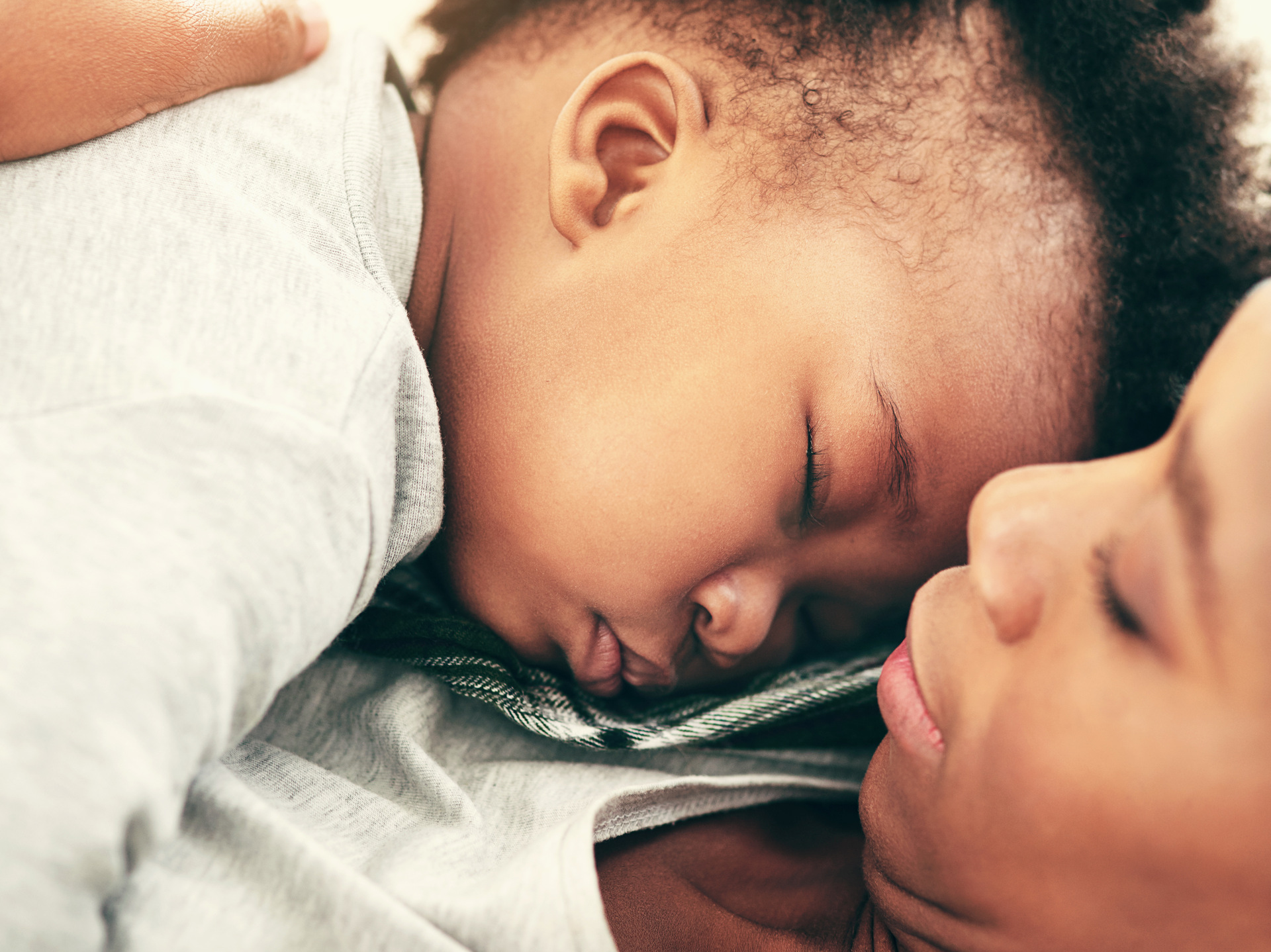
Your child may push you away or seem not to want your comfort. This does not mean they don’t want or need you. They are simply not fully awake and may not be able to respond to you normally.
Once the episode has passed, your child will usually settle back into sleep.
Should I wake my child during a night terror?
Generally, no.
Trying to wake a child fully during a night terror can make the episode more intense or prolong the period of confusion.
Instead, focus on keeping them safe and allowing the episode to pass.
If your child has very predictable night terrors, however, another technique can sometimes help: scheduled waking.
How can I prevent night terrors?
The first step is to look at your child’s overall sleep.
Ask yourself:
- Is my child getting enough sleep?
- Are they becoming overtired before bedtime?
- Is their bedtime consistent?
- Are they getting up at a similar time each morning?
- Have there been recent changes to their routine?
- Have they been unwell?
- Are there signs that another sleep problem may be disturbing their sleep?
Keeping a sleep diary can be particularly useful. Record bedtime, when your child falls asleep, night-time episodes and wake-up time. Look for patterns rather than focusing on one difficult night.
Scheduled waking for night terrors
If your child’s night terrors happen at a very predictable time, scheduled waking may help.
For example, if your child consistently has an episode around 90 minutes after falling asleep, you can gently rouse them approximately 15–30 minutes before the usual time.
The aim isn’t to wake them fully. You are simply trying to interrupt the deep stage of sleep in which the episode usually occurs.
This may need to be repeated consistently for several nights before you know whether it is helping.
Scheduled waking is most useful when the timing of the night terrors is relatively predictable. If episodes happen at very different times each night, addressing overall sleep and possible triggers is likely to be more useful.
Can older children have night terrors?
Yes.
Night terrors are much more common in younger children and usually become less frequent as children mature. However, they can occur in school-aged children and, occasionally, teenagers.
If an older child continues to experience night terrors, it is worth considering whether something is contributing to disrupted sleep.
Look at their overall sleep pattern, including bedtime, wake-up time, sleep duration, changes in routine and any signs of other sleep difficulties.
For an older child, particularly if the episodes have started suddenly, become frequent or changed significantly, it is sensible to discuss them with your GP or a healthcare professional.
When should I seek medical advice about night terrors?
Night terrors are usually harmless, but speak to your GP if:
- Episodes are very frequent or becoming more severe.
- Your child is regularly injuring themselves or someone else.
- There are concerns about breathing, significant snoring or pauses in breathing.
- Your child has unusual movements that don’t fit the typical pattern of a night terror.
- Your child is excessively tired or sleepy during the day.
- Episodes have suddenly started in an older child.
- You are unsure whether what you are seeing is a night terror, nightmare or another type of sleep disturbance.
- You have any other concerns about your child’s health or development.
Occasionally, other conditions can resemble night terrors, so it is important not to assume that every episode of night-time screaming is a night terror.
Will my child grow out of night terrors?
In most cases, yes.
Night terrors are generally a developmental phenomenon and become less common as children mature. For many children, episodes are occasional and disappear without treatment.
However, if they are happening regularly, affecting your child’s sleep or causing significant anxiety for the family, it is worth looking at why they are happening rather than simply waiting for them to stop.
At Millpond, we look beyond the night-time behaviour to understand the child’s overall sleep pattern, health, development, environment and individual needs. Sometimes a relatively simple change to sleep timing or routine can make a significant difference.
Frequently asked questions about night terrors
Are night terrors normal in older children?
Night terrors are less common at this age than in younger children, but they can still occur. If they are frequent, have recently started or are accompanied by other sleep or daytime difficulties, it is worth looking more closely at the child’s sleep and discussing any concerns with a healthcare professional.
Do children remember night terrors?
Usually not. Most children have little or no memory of a night terror the following morning.
Can lack of sleep cause night terrors?
Insufficient sleep and overtiredness can make night terrors more likely. Ensuring your child gets enough sleep and has a regular sleep schedule is an important first step.
Are night terrors caused by stress?
Stress and changes in routine can disrupt sleep and may contribute to night terrors. However, a night terror does not necessarily mean that your child is experiencing emotional distress.
How long do night terrors last?
Many night terrors last only a few minutes, although some episodes can last longer. The important thing is to keep your child safe and allow the episode to pass rather than trying to wake them fully.
Are night terrors the same as sleepwalking?
No. Night terrors and sleepwalking are both parasomnias associated with NREM sleep and can sometimes occur in the same child, but they are different types of episodes.
How can I stop my child’s night terrors?
Start by making sure your child is getting enough sleep and has a regular sleep schedule. If episodes happen at a predictable time, scheduled waking may also help. If night terrors are frequent or persistent, consider whether another sleep problem could be contributing.
Helping your child’s sleep
Night terrors can be incredibly unsettling for parents to witness, but they are usually not harmful, and most children grow out of them.
If your child’s night terrors are frequent, have suddenly started, are affecting the whole family’s sleep, or you are unsure whether what you are seeing is a night terror or another type of sleep disturbance, a detailed assessment can help identify what may be contributing.
At Millpond Children’s Sleep Clinic, we look at the child behind the sleep — considering sleep patterns alongside development, health, family circumstances, environment and individual sleep needs — to develop practical, personalised strategies for better sleep.
0 Comments