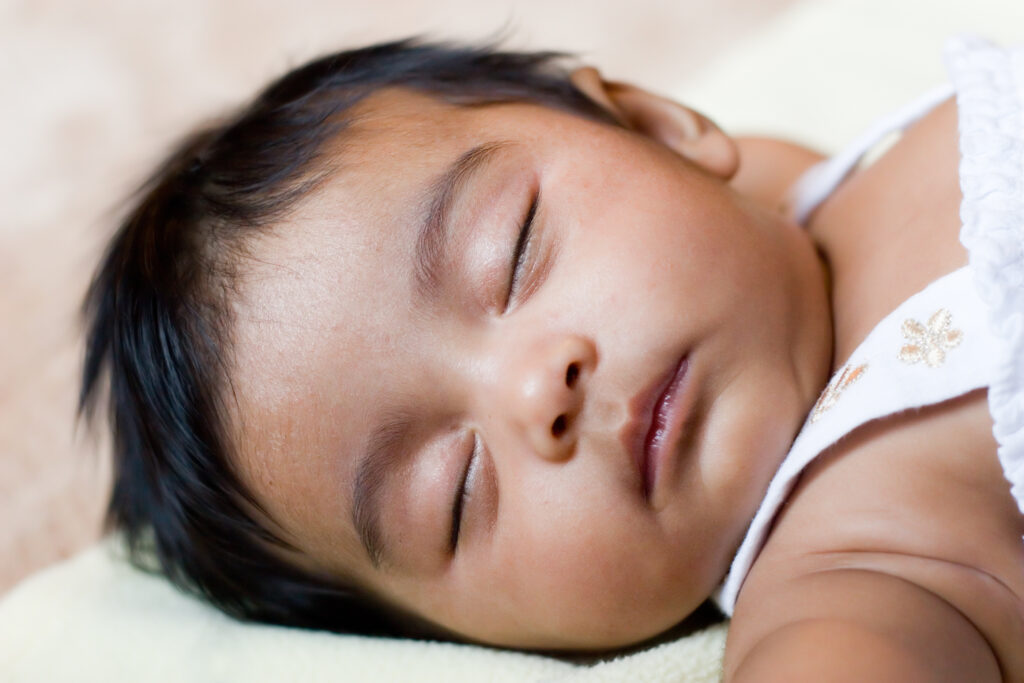
Why Baby Sleeping Bags Are a Parent’s Best Friend
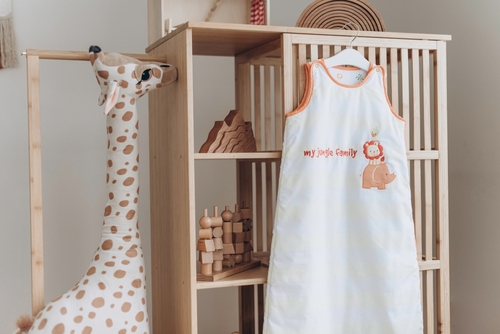
When a new baby arrives, they bring joy but also challenges such as trying to help them sleep well. One of the best ways to achieve this is through the use of a baby sleeping bag.
In this blog, we will look at the advantages that come with using baby sleeping bags and why they are a must-have for your little one.
What is a Baby Sleeping Bag?
A baby sleeping bag is a wearable blanket designed specifically to be worn by newborn babies and toddlers while they are asleep. They are a safe and comfortable alternative to sheets and blankets, which can pose a suffocation risk for very young children. They come in different sizes and designs and are usually made from soft, breathable materials like cotton or muslin.
-
Safe Sleeping
One of the most important things about using a baby sleeping bag is that it promotes safe sleep; by putting your baby to bed in a baby sleeping bag their head and face remain uncovered, ensuring that they can breathe easily while they sleep.
-
Regulating Body Temperature
Regulating your baby’s body temperature while they sleep is crucial for their safety and comfort. Babies have limited thermoregulation capacities which makes them susceptible to overheating or getting too cold. Maintaining the right temperature reduces the risk of SIDS (Sudden Infant Death Syndrome) and ensures a peaceful night’s sleep.
-
Warmth and Comfort
As your baby gets older and more mobile, kicking off their blankets at night could be a regular problem, exposing them to the cold and fluctuations in temperature. Baby sleeping bags are designed to give you the peace of mind that your baby is warm and comfortable when asleep. They are made from soft breathable materials that help regulate your baby’s body temperature to prevent them from overheating or being too cold. This is particularly important for infants since they cannot regulate their body temperatures.
-
Room Temperature
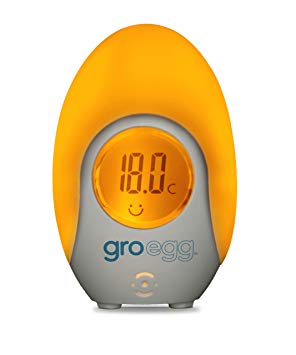
Aim to keep the room where your baby sleeps comfortably cool, ideally between 16°C and 20°C (61°F to 68°F). Use a room thermometer to monitor the temperature and adjust accordingly.
-
Tog rating
The tog rating on baby sleeping bags plays a vital role in maintaining your baby’s comfort and safety during sleep. Tog rating measures the warmth and insulation of the sleeping bag, helping regulate y
our baby’s body temperature. Choose a sleeping bag with an appropriate tog rating based on the room temperature and season to ensure your baby stays comfortably warm without overheating.
-
Dress Appropriately
At the end of your bedtime routine dress your baby to bed in lightweight clothing suitable for the temperature of the room. A simple rule of thumb is to dress your baby in the same number of layers you find comfortable plus one extra layer.
It’s important to choose a baby sleeping bag that is the correct size for your little one. A sleeping bag that is too big can pose a safety risk, while one that is too small may be uncomfortable for your baby. Be sure to check the sizing guide and choose the appropriate size for your baby’s age and weight.
-
Touch Test
Feel your baby’s tummy, back, or neck with the back of your hand. These areas can give you a good indication of whether your baby is too hot or too cold. Remember babies’ hands and feet will typically be cooler than their core body temperature.
If your baby is too hot, remove one or more layers of bedclothes to help them cool down. It’s best to choose lightweight, breathable fabrics that allow for better airflow and temperature regulation.
-
Fever Management
If your baby is unwell with a fever, it’s essential to ensure they don’t overheat. Babies with a fever need fewer, not more, bedclothes. Remove layers until your baby feels more comfortable, and consult a healthcare professional if you’re concerned about their fever.
-
Sleeping well when travelling
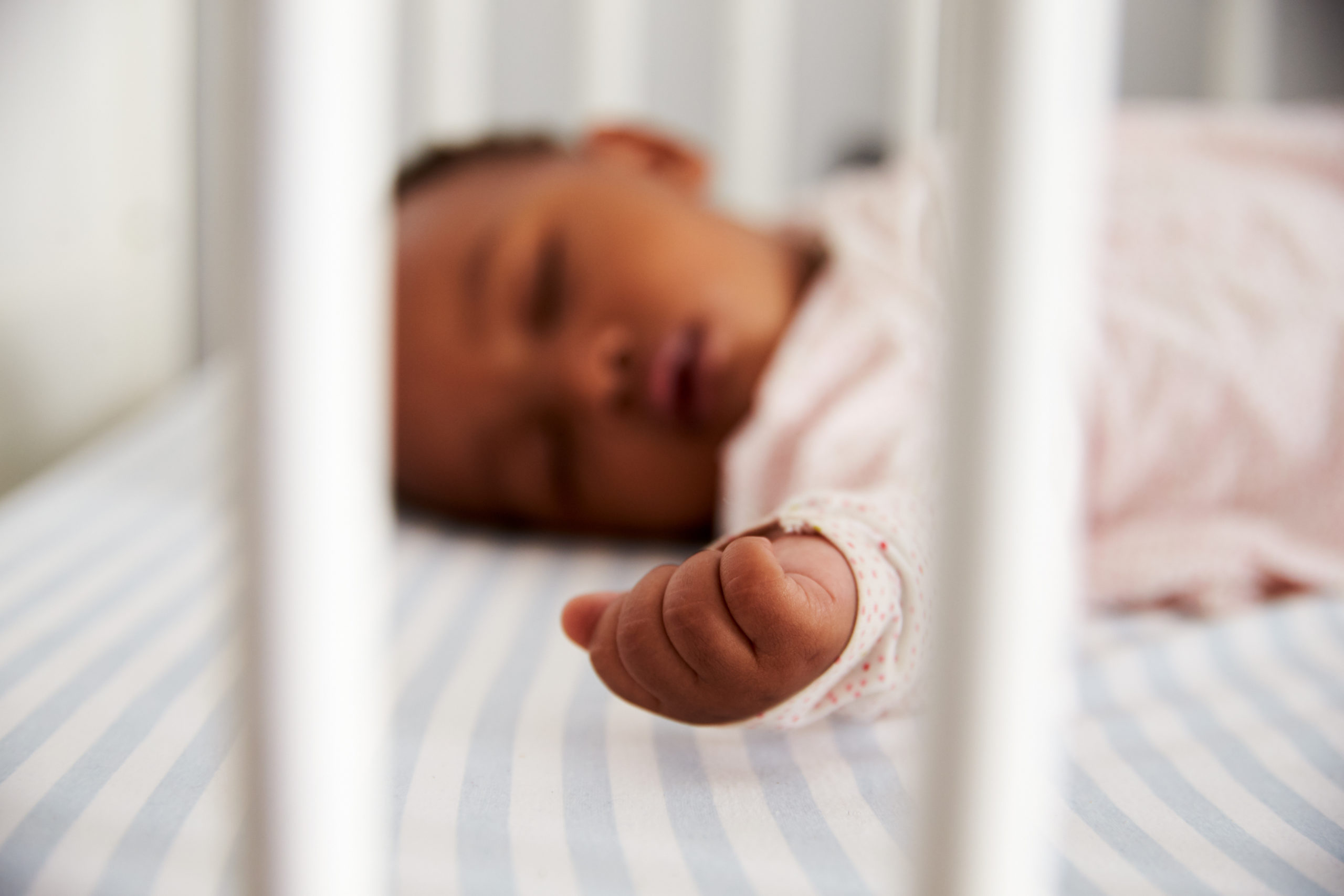
Sleep is essential for your baby’s growth and development, and a comfortable sleeping environment can play a significant role in achieving this. Baby sleeping bags help to create a familiar and soothing space for your little one; packing your baby’s sleeping bag when you travel can help to provide a familiar and safe sleeping environment for your baby when sleeping away from home.
-
Transition from Swaddling
Many parents like to swaddle their newborns, however, as your baby grows, and before they start to roll, it’s time to transition them out of swaddling. This is where a baby sleeping bag comes in to provide a similar feeling of security and comfort as swaddling, making it an excellent transition from swaddling to a more independent sleeping arrangement.
-
Your baby becomes more mobile
Once your baby starts to crawl, stand and move around more, traditional blankets can become a hindrance. Little ones can easily get tangled in them or become cold and uncomfortable. With a baby sleeping bag, they can move around freely without getting tangled.
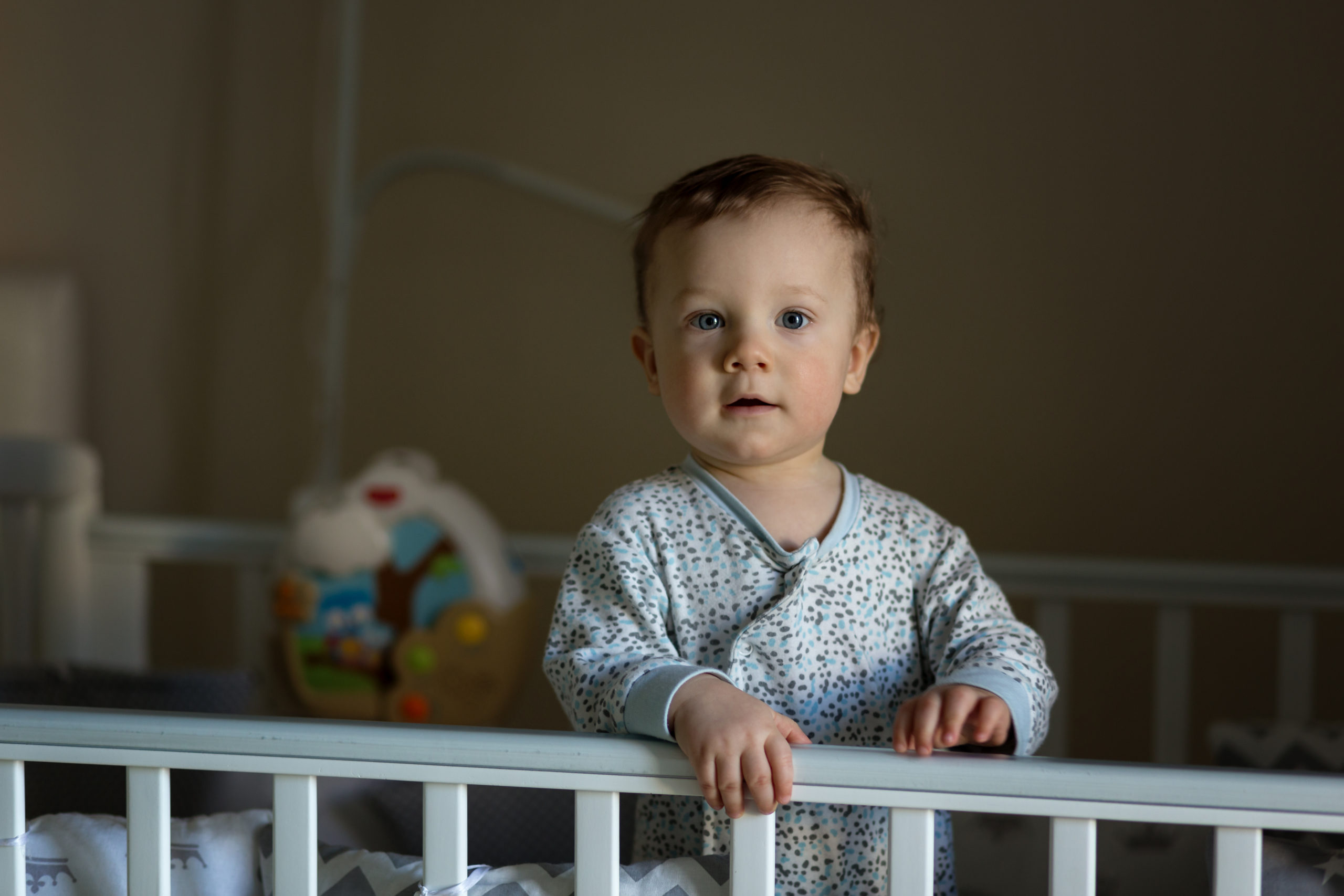
The benefits of using a baby sleeping bag speak for themselves. From safety and comfort to convenience and versatility, these innovative sleep solutions offer a host of advantages for both babies and parents alike. So, if you’re looking to make bedtime a breeze and ensure your little one gets the rest they need, investing in a baby sleeping bag could be one of the best decisions you make as a parent.
If you would like to speak to one of our sleep consultants about how you can guide your baby towards better sleep, please reach out today. We can chat with you about how we can help offer practical and gentle sleep strategies.
Written by Mandy Gurney RGN.RM.Dip HV.
Founder Millpond Children’s Sleep Clinic