020 8444 0040 Contact Us
  • For Parents
    • 6 To 18 Months
    • Toddlers/Preschool
    • School Age
    • Teenagers
    • Case studies
    • Get Expert Help – Our Sleep Packages
    • Sleep Advice Videos
    • Safer Sleep Advice For Babies
    • FAQs about Sleep Consultants & Children’s Sleep
  • For Professionals
  • Sleep Shop
    • Sleep Packages
    • Sleep book
    • Teachers resource pack
  • About Us
  • Blogs
  • Contact

April 21, 2026

Baby Sleep Help: Tracking & Sleepmaxxing Can Make Sleep Harder

Baby Sleep Help: What is Sleepmaxxing and Why Does It Matter?

From tracking sleep scores on devices like Oura Ring and Fitbit, to closely monitoring rest and recovery, sleep is increasingly being treated like something to perfect.

This trend is often called sleepmaxxing, the idea that better sleep comes from more data, more tracking, and more control.

But for many people, it has had the opposite effect: more information, but less confidence in sleep itself.

In sleep research, this is linked with a phenomenon known as Orthosomnia, where pressure to achieve “ideal sleep” based on tracking actually increases anxiety and makes sleep feel worse.  This is something we are increasingly seeing in families looking for baby sleep help

When sleep tracking becomes part of parenting

It is increasingly common for parents to track naps, night wakings, and wake windows in detail.  While this can feel helpful at first, it can quickly become overwhelming.

Parents often find themselves:

  • Monitoring every nap length
  • Adjusting bedtime daily
  • Analysing night wakings
  • Comparing sleep to apps or schedules
  • Worrying when sleep does not follow a “pattern”

What starts as reassurance can slowly turn into pressure.

Not because parents are doing anything wrong, but because baby and child sleep was never meant to be this tightly controlled.

baby and child sleep help

Why baby and child sleep isn’t something to optimise

Sleep in babies and children is still developing and naturally variable.

It is influenced by many factors, including:

  • Age and stage of development
  • Temperament
  • Natural sleep rhythm (chronotype)
  • Emotional development
  • Environment and stimulation
  • Physical factors such as teething or illness

Because of this, sleep will naturally change from day to day and across different stages of childhood; this variation is normal.

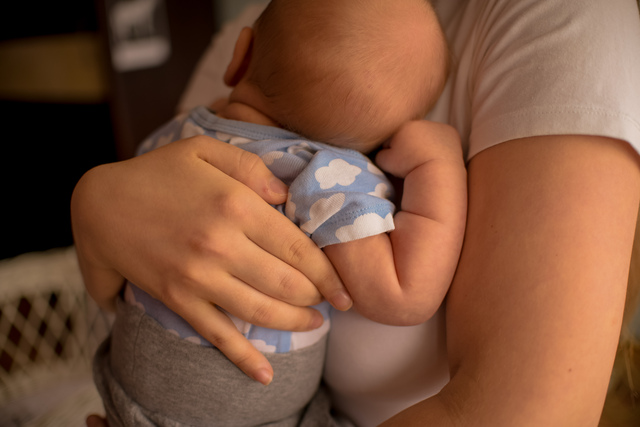
Parent comforting baby during night waking

Why weekly trends matter more than daily tracking

One of the most helpful shifts for parents is moving away from analysing each day.

Instead of focusing on whether a nap was short or a night was disrupted, it can be more useful to look at sleep across a full week.

Some days and nights will go more smoothly than others, and that is completely normal.

Babies and children are constantly developing, and this alone can temporarily affect sleep. On top of that, factors like teething, illness, developmental changes, or even a more stimulating day can all play a role.

Sleep is not meant to look identical every night; it naturally varies as children grow and develop.

help with baby sleep

Why instincts matter more than data

While tracking tools can provide information, they cannot fully capture the individuality of a child.

This is where parental instinct and observation become far more valuable.

Every baby and child has their own:

  • Temperament
  • Natural rhythm (chronotype)
  • Unique sleep needs

No app or algorithm can fully reflect these differences.

Getting to know your child, how they show tiredness, how they settle, and what helps them feel secure, often becomes more useful than any set of numbers.

A more helpful approach to sleep

If sleep feels overwhelming, it can help to step back from constant adjustment and focus on a simpler approach:

  • Look for patterns over several days, not individual nights
  • Keep routines consistent rather than constantly changing them
  • Respond to your child, not just the clock
  • Expect variation; it is part of normal development
  • Reduce reliance on tracking for reassurance

waking in the night

When to seek support

If sleep is consistently affecting family wellbeing, it may be helpful to seek personalised support.

Sleep challenges are very common, and early guidance can often make a significant difference for both parents and children.

Filed Under: Babies sleep, Baby not sleeping, Day Time Naps, How Can I Get My Baby To Sleep Better, How much sleep does my child need?, How to help my child sleep well, Wake Windows Tagged With: Baby Sleep Help, Baby Sleep Problems, Baby Sleep Routine, Child Development, child sleep, Gentle Parenting Sleep, Infant development, Infant Sleep Support, New Parents, Normal Baby Sleep, Parenting Sleep Advice, Parenting Tips, Sleep Anxiety in Parents, Sleep Tracking Babies, Sleepmaxxing

February 20, 2026

Baby Wake Windows by Age: A Gentle Guide for Parents

Wake Windows: What They Are and How to Know When to Extend Them

Many parents ask me how long their baby “should” be awake between sleeps.

It’s a very reasonable question. And often, when naps feel unsettled, or bedtime becomes difficult, the answer lies in something called wake windows.

Wake windows

What Are Wake Windows?

A wake window is simply the amount of time your baby can comfortably stay awake between one sleep and the next.

While your baby is awake, sleep pressure gradually builds in the brain. When enough of this pressure has built up, sleep comes more easily. (You can read more about how sleep pressure works here.)

If the wake window is too short, your baby may not yet be ready to settle.  If it’s too long, they can become overtired and overwhelmed, which often makes sleep harder rather than easier.

Understanding wake windows can help explain why a baby sometimes seems exhausted but resists sleep.

what is a wake window?

Average Wake Windows by Age (A Gentle Guide)

Wake windows gradually widen as your baby’s brain and nervous system mature. However, these are ranges,  and best to use them as a guide,  not as fixed rules.

Very general averages we commonly see are:

  • Newborn: 45–60 minutes

  • 3 months: 1–2 hours

  • 6 months: 2–3 hours

  • 9–12 months: 2.5–4 hours

  • 12–18 months: 4–5 hours

Some babies cope well with slightly longer stretches, while some babies need to sleep again sooner.

Your baby’s temperament, sensitivity, development and overall sleep history all influence how much awake time feels manageable.

It can be tempting to compare with friends’ babies of a similar age, but two babies born just weeks apart can tolerate very different wake windows; what matters most is how your baby is coping.

Signs a Wake Window May Be Too Short

Your baby may not have built enough sleep pressure if:

  • They are happy and alert at nap time

  • They take a long time to fall asleep

  • They chat or play in the cot

  • Naps are very short, but they wake contented

In these situations, a small increase in awake time may help.

wake windows

Signs a Wake Window May Be Too Long

If your baby has been awake for longer than they can comfortably manage, you might notice:

  • Fussiness  before sleep

  • Crying or struggling to settle

  • Short naps

  • False starts at bedtime

When babies become overtired, their bodies are more likely to release cortisol, the stress hormone, which can make settling more difficult.

help with wake windows

How to Gently Extend Wake Windows

Wake windows don’t suddenly change; they widen gradually as your baby grows.

Your baby may be ready for a slightly longer wake window if:

  • It is consistently taking longer to fall asleep

  • A nap they previously took easily is resisted

  • Bedtime is drifting later

  • They seem calm and alert at what used to be sleep time

If you decide to adjust, keep it small by adding 10–15 minutes to one wake window and observing for a few days is often enough.

If sleep becomes easier, they are likely ready; if things feel more unsettled, simply step back.

There is no rush. Development unfolds in its own time.

napping problems

When to Seek Support

If naps are consistently very short, settling feels like a struggle most days, or you’re feeling unsure about what your baby needs, it can help to talk things through.

Sometimes a small timing adjustment makes a significant difference.

Sleep can feel surprisingly complicated when you’re in the thick of it, but gentle, thoughtful changes are often all that’s needed.

If you’d like personalised support with your baby’s sleep, you can get in touch to find out more about my 1:1 sleep consultations here.

Filed Under: Naps part 1, Naps part 2, Wake Windows Tagged With: Baby Naps, Infant sleep, overtired baby, Wake Windows

Would you like to be kept up-to-date?

Subscribe to our free monthly newsletter

Millpond Logo

Quick Links

  • Sleep Packages
  • Workshops & Seminars
  • Sleep Advice Videos
  • Case studies
  • Our Sleep Shop
  • Blogs
  • FAQs about Sleep Consultants & Children’s Sleep

Contact Us

sleep@millpondsleepclinic.com 020 8444 0040

Follow us

  • Privacy Policy
  • Terms
All rights reserved. Copyright © Millpond Sleep Clinic Ltd 2026

This site is protected by reCAPTCHA and the Google Privacy Policy and Terms of Service apply.