020 8444 0040 Contact Us
  • For Parents
    • 6 To 18 Months
    • Toddlers/Preschool
    • School Age
    • Teenagers
    • Case studies
    • Get Expert Help – Our Sleep Packages
    • Sleep Advice Videos
    • Safer Sleep Advice For Babies
    • FAQs about Sleep Consultants & Children’s Sleep
  • For Professionals
  • Sleep Shop
    • Sleep Packages
    • Sleep book
    • Teachers resource pack
  • About Us
  • Blogs
  • Contact

March 10, 2026

The Clocks Spring Forward

day light saving clock change

Helping Your Child Adjust to Daylight Savings

The clocks in the UK are springing forward by one hour at 1:00 am on Sunday, March 29th, 2026. While this means longer, brighter days to enjoy, it can also cause a bit of chaos when it comes to your child’s sleep routine.

Losing an hour of sleep might not bother us adults too much, but for babies and young children, it can throw everything off. They may not feel ready for sleep at bedtime, struggle to settle, and then be groggy and grumpy in the morning. Not ideal!

So, how can you make this transition as smooth as possible? Here are my top sleep tips to avoid bedtime battles and morning meltdowns when the clocks change.

Get Ahead of the Clock Change

A little preparation can go a long way in helping your child adjust. Try these simple steps in the week leading up to March 30th:

  • Shift Bedtime Gradually – Move your child’s bedtime earlier by 15 minutes every couple of days. This slow adjustment helps their body clock adapt without too much resistance.
  • Tweak Nap and Meal Times – Don’t forget to move naps and meal times forward too! Keeping everything in sync will make the bedtime shift feel more natural.
  • Wake Them Up Earlier – Just as bedtime is getting earlier, so should wake-up time. Waking them 15 minutes earlier each morning will help get their body used to the new schedule.

Creating a Calm, Sleepy Bedtime Routine

A familiar and soothing bedtime routine is your best friend when adjusting to the clock change-

Here’s what works well:

  • Wind Down Time – About an hour before bed, start slowing things down with a calming activity like reading, puzzles, or gentle play.
  • Bath Time – A warm bath can help signal that bedtime is coming, but keep it calm and relaxing – think spa, not splash zone!
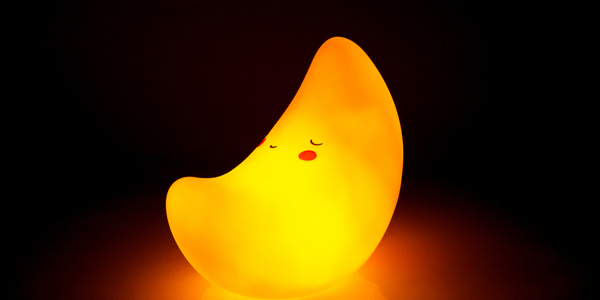
  • Dim the Lights – Lowering the lights in the evening encourages the production of melatonin, the sleepy hormone. If you use a nightlight, go for a red or amber glow rather than a bright white one.
  • Story and Cuddles – A bedtime story and a snuggle are the perfect way to settle your little one before tucking them in.
  • Click here for more details on bedtime routines.

Helping Them Wake Up Happy

Mornings can be tricky after a clock change, so getting plenty of natural light early in the day is key:

  • Open the Curtains – Let the daylight flood in as soon as possible to help reset their body clock.
  • Have Breakfast in a Bright Spot – Eating in a well-lit area helps send the signal that it’s morning time.
  • Get Outside – A bit of fresh air and daylight first thing can work wonders for adjusting to the new wake-up time.

What If Your Child Is an Early Riser?

If your little one is a 5:00 am wake-up specialist, the clock change might actually work in your favour! Their usual 5:00 am start will suddenly become 6:00 am, meaning you might get a bit of a lie-in – a rare parenting win!

Enjoy the Longer Days!

Once the initial adjustment is out of the way, you can make the most of the lighter evenings. Getting outside for a bit of play before bed can help your child use up some energy and settle down more easily at night.

With a bit of planning and a consistent routine, your little one will be back on track in no time – and you can all enjoy the sunnier days ahead.

Written by Mandy Gurney, RGN RM DIPHV
Founder of Millpond Children’s Sleep Clinic

Updated March 2026

Filed Under: Clocks go forward Tagged With: adjust your child's body clock, affects of daylight saving, bedtime routine, clock change, clock springs forward, clocks go forward, Daylight saving, help my child cope when clocks change in March, how to help your child adjust to the clock change, melatonin, sleep advice, sleep and the clock change

December 10, 2025

How to Help Your Children Sleep Well Over Christmas

Children’s Sleep at Christmas: Gentle Tips to Support Restful Nights During the Festive Season

If Christmas came with a warning label, it might read:
May cause excitement, late nights and very overtired children.

From festive parties and family visits to chocolate before breakfast and talk of Santa long after lights out , it is no surprise that sleep can feel tricky at this time of year, especially with different beds and less structure.

The good news is that Christmas does not have to undo all your hard work. With a little flexibility and plenty of reassurance, you can support your child’s sleep while still soaking up all the festive fun. These gentle, practical tips will help guide you through the holidays with calmer bedtimes and happier days.

sleeping well at christmas


Pack Familiar Sleep Comforts

If you are staying away from home over Christmas, familiar items can make a big difference to how easily your child settles.

You might consider bringing:

  • A favourite soft toy or comfort item

  • Your child’s usual pillow or blanket

  • Familiar pyjamas and bedtime books

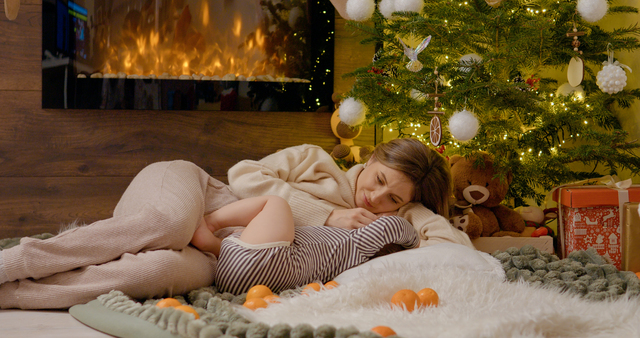
Before bedtime, spend some quiet time in your child’s temporary bedroom. Unpack together, share a cuddle, read a story and gently show them where everyone will be sleeping. This helps children feel safe, secure and more relaxed in a new environment.

sleep well at christmas


Supporting Naps During the Festive Season

Naps can be tricky over Christmas, but they play a crucial role in preventing overtiredness, especially for younger children.

To help support naps:

  • Aim to offer naps around your child’s usual times

  • Create a calm space with a story or cuddle before sleep

  • Use white noise if background noise from celebrations is unavoidable

  • Fresh air naps in the pram can work beautifully on busy days

Well-supported naps often lead to calmer evenings and easier bedtimes.

napping well at christmas


Christmas Foods That Support Sleep

Festive treats are part of Christmas, but it can help to be mindful of timing.

Try to limit sugary foods and chocolate in the two hours before bedtime, as these can make it harder for children to settle.

Instead, you might offer sleep-supportive snacks such as:

  • Turkey

  • Eggs

  • Bananas

  • Oats

  • Yogurt

Turkey contains tryptophan, an amino acid that helps the body produce serotonin, which supports the production of melatonin, an important hormone for sleep.


👉 Click here for my guide on tryptophan-rich foods.


Keep Bedtime Routines Familiar

Whether you are at home or staying with family, familiar routines offer comfort and reassurance.

Even if bedtime is a little later on Christmas Day, try to keep the same calming sequence your child knows, such as a bath, pyjamas, story and cuddle. These familiar steps gently signal that it is time for sleep, even after a busy and exciting day.

Sleeping well over christmas


Maintain Gentle Sleep and Wake Times

While Christmas Day itself may look different, keeping bedtimes and morning wake-ups broadly consistent throughout the rest of the holiday can help support your child’s body clock.

Regular sleep patterns often lead to fewer bedtime struggles, less overtiredness and calmer mornings. Small adjustments now can make returning to normal routines in January much easier.


Create a Calm and Reassuring Bedtime Environment

To help your child wind down in the evening:

  • Spend ten to fifteen minutes on quiet activities such as reading or puzzles

  • Say goodnight to family and friends before moving to a calm space

This gentle transition helps children move from excitement to rest more easily.


Gentle Ways to Support Sleep Challenges

If your child finds sleep more unsettled during the holidays, this is completely normal.

You may find it helpful to:

  • Take the lead with bedtime until your child feels secure

  • Ask family members for a little extra help in the mornings so you can rest too

A few unsettled nights do not mean sleep habits are lost.


Holding Kind and Consistent Boundaries

It can be tempting to relax routines completely, but gentle consistency helps children feel safe and supported.

Settling your child in the way they are used to can reduce bedtime struggles. If things do wobble, returning to your usual routine once you are home will help your child readjust within a few nights.

bedtime routine at christmas


Enjoy the Festive Season

Most importantly, remember that Christmas is about connection, joy and togetherness.

Sleep does not need to be perfect. A balance of flexibility and familiarity allows everyone to enjoy the magic of the season while still supporting rest and well-being.

Wishing you a Christmas filled with warmth, special moments and peaceful nights.

Merry Christmas from the team at Millpond Children’s Sleep Clinic

Filed Under: How to help my child sleep well, How to keep sleep on track on holiday, Sleep well at Christmas Tagged With: bedtime routine, can't fall asleep, Christmas sleep guide for parents, Christmas sleep tips for kids, Festive season bedtime advice, Helping kids adjust to new sleep environments, How to help children sleep during the holidays, Managing naps over Christmas, Preventing overtiredness in children during Christmas, sleep advice, Sleep routines for kids at Christmas, sleep well, sleep well at Christmas, sleeping well away from home, Tips for holiday sleep schedules, Travel sleep tips for kids at Christmas

October 24, 2025

Nightmares in Children: Why They Happen and How You Can Help

Halloween is all about spooky fun, but for some children, the frights don’t stop when the lights go out. Nightmares can leave little ones and their parents feeling unsettled and anxious during the night. As a parent, it is only natural to want to comfort and protect your child when they wake up scared from a bad dream.

In this post, we explore why children have nightmares and share practical ways to help them feel safe and secure, both during the night and as bedtime approaches.

What Are Nightmares?

Nightmares are frightening dreams that wake children, often leaving them tearful or anxious. Common themes include being chased by a monster, getting lost, or feeling trapped. Although these dreams can seem intense, they are a normal part of childhood and often reflect a developing imagination or the stresses of everyday life.

Children may have nightmares when they are overtired or not getting enough sleep, during stressful or unsettling times, or simply as a result of their imagination becoming more active between the ages of six and ten. Nightmares happen during Rapid Eye Movement sleep, or REM sleep, which occurs in the second half of the night. This means your child might wake closer to morning feeling frightened and in need of reassurance.

Sometimes parents worry that their child is having night terrors rather than nightmares. Night terrors are different because the child usually stays asleep and does not remember the episode, whereas nightmares are dreams that wake a child and can often be described in detail.

How to Comfort Your Child After a Nightmare

When your child calls out in distress or comes to find you, the best response is comfort, calm, and reassurance. Let them know they are safe and that the dream is over.

For younger children, particularly those under five, it is important to remember they cannot always tell the difference between dreams and reality. Offer cuddles and gentle comfort rather than trying to explain the dream away. Once they are calm, most children will drift back to sleep.

Helping Your Child Process Recurrent Nightmares

If your child keeps dreaming about the same scary thing, talk it through the next day, not at bedtime. Encourage them to describe what happened and help them invent a happy ending. This can take away the power of the nightmare.

If monsters feature in their dreams, turn them into something silly together. You might draw funny monster pictures, make up a monster song, or create a dream catcher to “trap” bad dreams. Turning fear into fun can make bedtime feel much safer.

Helping Your Child Rewrite Their Nightmares

For children who have frequent or recurring nightmares, a gentle approach known as Imagery Rehearsal Therapy can be very helpful. This well-researched method has been shown to reduce chronic nightmares, improve sleep, and ease anxiety. It works by helping the dreamer imagine a new, positive ending to their dream.

This approach is supported by research on Imagery Rehearsal Therapy published in the Journal of the American Medical Association (Krakow et al., 2001), which found significant improvements in sleep quality and reductions in nightmare frequency.

Although the original studies were carried out with adults, the same idea can be adapted in a playful, child-friendly way. It helps children feel more in control of their dreams and less fearful of falling asleep.

Start by talking about the dream in daylight hours, when your child feels calm and safe. Ask them to tell you what happened if they would like to share, and reassure them that many children have scary dreams from time to time. Once they feel heard, invite them to imagine how they would like the story to end. Perhaps they could make friends with the monster, use a magic wand to make it disappear, or imagine flying away to safety.

Encourage them to picture this new ending clearly in their mind, seeing the colours, sounds, and feelings of being safe and happy at the end of their dream. You can practise this together for a few minutes each day. Over time, this helps the brain replace the frightening dream with the new version, making the nightmare less likely to return.

You can make this process creative and fun. Younger children might like to draw their new dream or tell it as a bedtime story. This helps them take control of the narrative and feel empowered, turning something scary into something they can manage.

If nightmares continue to be frequent or distressing, or are linked to anxiety or past experiences, seek professional help. Imagery rehearsal therapy can also be provided by trained clinicians and is recognised as an effective, non-invasive approach for persistent nightmares.

Identifying Possible Triggers For Nightmares

Have a calm chat with your child during the day to uncover any worries or recent changes that might be affecting their sleep. Setting aside ten to fifteen minutes of quiet one-to-one time can make a big difference. Avoid these conversations at bedtime, as they can stir up worries just before sleep. Instead, use bedtime for relaxation, perhaps with a simple breathing exercise or a gentle hand or foot massage to help them unwind.

Check Your Child’s Sleep Routine

Children who are overtired are more likely to have nightmares, so make sure your child is getting enough sleep for their age and has a calm, consistent bedtime routine.

If your child gets anxious when you leave the room at bedtime, try reassuring check-ins. Return after a minute or two to let them know you are still nearby, then gradually increase the gap between visits until they feel comfortable falling asleep on their own.

Comfort and Security

A favourite cuddly toy or comfort object can help your child feel safe and relaxed throughout the night. It is also worth checking what your child is seeing or hearing before bed. Even seemingly harmless books, TV shows, or online content can introduce ideas that fuel scary dreams or bad dreams in kids.

Fear of the Dark

Many children develop a fear of the dark as their imagination blossoms. This is completely normal. A soft amber or orange nightlight can make the room feel cosy and safe without affecting sleep. It can also help to look around the bedroom at night from your child’s perspective, as familiar toys or shadows can look quite different in the dark. For more information on fear of the dark 

When to Seek Professional Help

If your child is having frequent or severe nightmares, or if these are affecting their mood or behaviour during the day, speak with your GP or a sleep specialist. Persistent nightmares can sometimes be linked to anxiety, trauma, or other underlying issues that may need gentle support.

FAQs

Are nightmares normal in children?
Yes. Nightmares are a normal part of childhood and often reflect imagination, tiredness, or everyday worries.

When should I worry about my child’s nightmares?
If nightmares are frequent, cause distress, or affect your child’s daytime mood, seek advice from your GP or a sleep specialist.

Can lack of sleep cause nightmares?
Yes. Overtiredness can make nightmares more likely, so ensuring your child has enough sleep is important.

What is the difference between a nightmare and a night terror?
A nightmare wakes your child and is remembered in the morning. A night terror happens while the child remains asleep and is usually not remembered afterwards.

Final Thoughts

Nightmares can be distressing, but with understanding, reassurance, and a few simple strategies, you can help your child feel safe and confident again at bedtime.

And this Halloween, while the ghosts and ghouls are just for fun, remember that a calm, comforting bedtime routine is the best kind of magic for helping children sleep peacefully through the night.

If your child is struggling with regular nightmares or anxiety about sleep, our team of sleep specialists can help.

If you’re unsure whether your child is having nightmares or night terrors, the NHS offers helpful guidance on how to tell the difference.

Contact Millpond Sleep Clinic to find out more about our tailored sleep support for children of all ages.

Filed Under: All, Anxiety Sleep Problems In Children: Causes, Fear of the dark, Nightmares Tagged With: anxiety about sleep, are night terrors different from nightmares, comforters in the night, coronavirus, covid 19, fear of the dark, how to comfort my child after a nightmare, how to help my child sleep better, how to help your child with a nightmare, my child wakes in the night from nightmares, nightmares, Scary TV and books, sleep advice, sleep tips, tips for fear of the dark, tips for nightmares, What is a nightmare

August 23, 2025

Back to School Sleep Tips

Back to School Sleep Tips: How to Reset Your Child’s Routine After the Summer Holidays

Over the summer holidays, bedtimes often drift later and mornings get lazier. While that’s part of the fun of summer, the transition back to school can feel like a real challenge. Suddenly, children need to be up, dressed, and out of the house by 8.00 am, and that can feel daunting if sleep schedules are off track.

The good news? With a little planning, you can help your child adjust their sleep before the first day of term.

Here’s how to reset their routine and make mornings easier for everyone.

Sleep Tips for Primary School Children

Start one week before the new term:

  • Move bedtime earlier by 15 minutes each night.

  • If your child has slipped 2 hours later, make small daily shifts. If it’s just 1 hour later, adjust every few days.

  • Wake them 15 minutes earlier each morning, too. Morning light is key; get them outside or open the curtains to help suppress melatonin and boost alertness.

  • Offer small incentives, such as a favourite breakfast, to encourage earlier rising.

  • Repeat this until they’re back on track for school mornings.

Help them wind down before sleep:

  • Begin the wind-down an hour before bedtime. Put toys away, snuggle on the sofa with a story, and switch off all screens.

  • Avoid caffeine and sugary foods in the evening.

  • Keep the bedtime routine calm and consistent: bath → PJs → quiet stories → lights dimmed.

  • Say goodnight and leave the bedroom, aiming to fall asleep within 15 minutes.

Reset their morning clock:

  • Wake your child at the same time every day, even at weekends, to stabilise their body clock.

  • Give them a strong dose of natural light first thing, it’s the best way to signal “time to be awake.”


Sleep Tips for Secondary School Children


Teenagers face unique challenges when it comes to sleep. Their natural body clock runs later, meaning they’re predisposed to stay up—and sleep in—longer. Over the summer, this can easily shift 2+ hours later.

That’s why it’s best to start two weeks before school begins.

  • Gradually move bedtime and wake-up times earlier, just as you would for younger children—but allow more time.

  • Encourage plenty of morning light exposure and a tech-free wind-down in the evening.

  • Remind them that small, consistent changes are easier than one big shift the night before school starts!

👉 For more details on teenage sleep, download our free fact sheet.


Final Thought

Helping your child reset their sleep routine before term begins makes the transition smoother, mornings calmer, and ensures they’re alert and ready to learn. A little preparation now means less stress and better sleep for the whole family.


Filed Under: All, Getting sleep on track ready for school Tagged With: back to school, back to school sleep tips, bedtime routine, bedtime routines back to school, Child sleep routine, falling asleep late, getting kid back on regular sleep schedule, How to reset sleep after summer holidays, melatonin, my child can't fall asleep, my child cant wake up in the morning, Parenting advice for school mornings, Primary school sleep schedule, return to school, takes a long time to go to sleep, Teen sleep tips

June 24, 2025

Help your baby sleep safe and well in the heat

Help your baby sleep well in the heat…

Help your baby sleep well in the heat

We all know how important a good night’s sleep is, and one of the biggest factors that affects sleep is temperature. Warmer weather is nothing new in summer, but with climate change causing increasingly hotter nights, even babies who usually sleep well can struggle in the heat.

Warm, humid conditions can make it harder for our bodies to cool down, leading to restless sleep, frequent waking, and overtired little ones. That’s why it’s so important to be prepared, especially as summer heatwaves become more common.

Why temperature matters

The ideal room temperature for sleep is between 16°C and 20°C. This can be tricky to maintain during the warmer months, but it’s worth the effort. Not only do we all sleep better in a cooler room, but in babies, overheating has been identified as a risk factor for Sudden Infant Death Syndrome (SIDS).

Tips for keeping your baby’s room cool

Here are some practical ways to help keep your baby’s sleeping environment as cool and comfortable as possible:

1. Curtains and Blinds
Keep them closed during the day to block out direct sunlight and prevent the room from overheating.

2. Windows
If it’s hotter outside than inside, keep windows shut during the day. Open them at night once the outside temperature drops — if it’s safe to do so.

3. Fans
Use a fan to pre-cool the bedroom before bedtime. Place it at a low level, ideally near an open window to help circulate cooler air. Make sure the fan isn’t blowing directly on your baby.

4. Shared Room
Sharing a room with your baby for the first 6 months is recommended. A cooler room will be more comfortable for both of you — and you’ll be able to monitor the temperature easily.

5. Use a Room Thermometer
16°C to 20°C can feel cooler than you might expect, so use a room thermometer to keep track and adjust accordingly.

How to keep your baby cool at night

  • Cooling bath: Give your baby a lukewarm bath before bedtime to lower their body temperature.

  • Light bedding: Use lightweight or no bedding at all if it’s very warm.

  • Sleeping bags: Choose a low tog sleeping bag appropriate for summer use.

  • Sleepwear: Dress your baby in light cotton sleepwear, using no more than one layer more than you would wear in the same conditions.

  • Check their temperature: Feel your baby’s back or chest, not their hands or feet, to check if they’re too warm. If they feel hot or sweaty, remove a layer.

Hydration during hot weather

Babies, just like adults, can become dehydrated more quickly when it’s hot.

  • Breastfed babies: Don’t need extra water before they start solids, but they may want to feed more often.

  • Bottle-fed babies: Alongside regular milk feeds, you can offer cooled boiled water to help keep them hydrated.

  • Night feeds: Your baby may wake more often for milk during the night if they’re thirsty or uncomfortable.


As our summers continue to change, being prepared for hotter nights will make all the difference to your baby’s sleep — and yours too. With a few thoughtful adjustments, you can help your little one stay cool, comfortable, and well-rested all season long.


By Mandy Gurney RGN, RM, DipHV
Updated 24/06/25

Filed Under: All, Sleep well in the heat, Sleep well in the summer Tagged With: baby too hot to sleep, cool bedroom, help baby sleep well in the heat, how to cool the bedroom, ideal room temperature for your baby sleep, my baby can't sleep as its too hot, sleep safe in the heat, sleep well in the heat, summer heat, well hydrated at night

February 6, 2025

Co-sleeping safely with my baby

Bedsharing: Understanding the Risks and Benefits

Written February 2025

Bedsharing has been a common practice for centuries, especially when families lived in smaller spaces and shared sleeping areas out of necessity. Today, in many cultures, co-sleeping is still the norm, often driven by tradition rather than economic factors.

Sleeping in the same bed as your baby or toddler can be a comforting experience for both of you. It allows for easier night wakings and feeding without getting out of bed. Research has also shown that co-sleeping mothers tend to breastfeed for longer durations. However, bedsharing also comes with potential challenges and risks that parents should consider.

co-sleeping safely

Challenges of Bedsharing

While many parents find bedsharing beneficial, it can take time to adjust to sleeping next to a wriggly child. Transitioning a child out of your bed when the time feels right can be difficult. Additionally, for some couples, sharing a bed with their child may impact their intimate relationship.

The Safety Debate

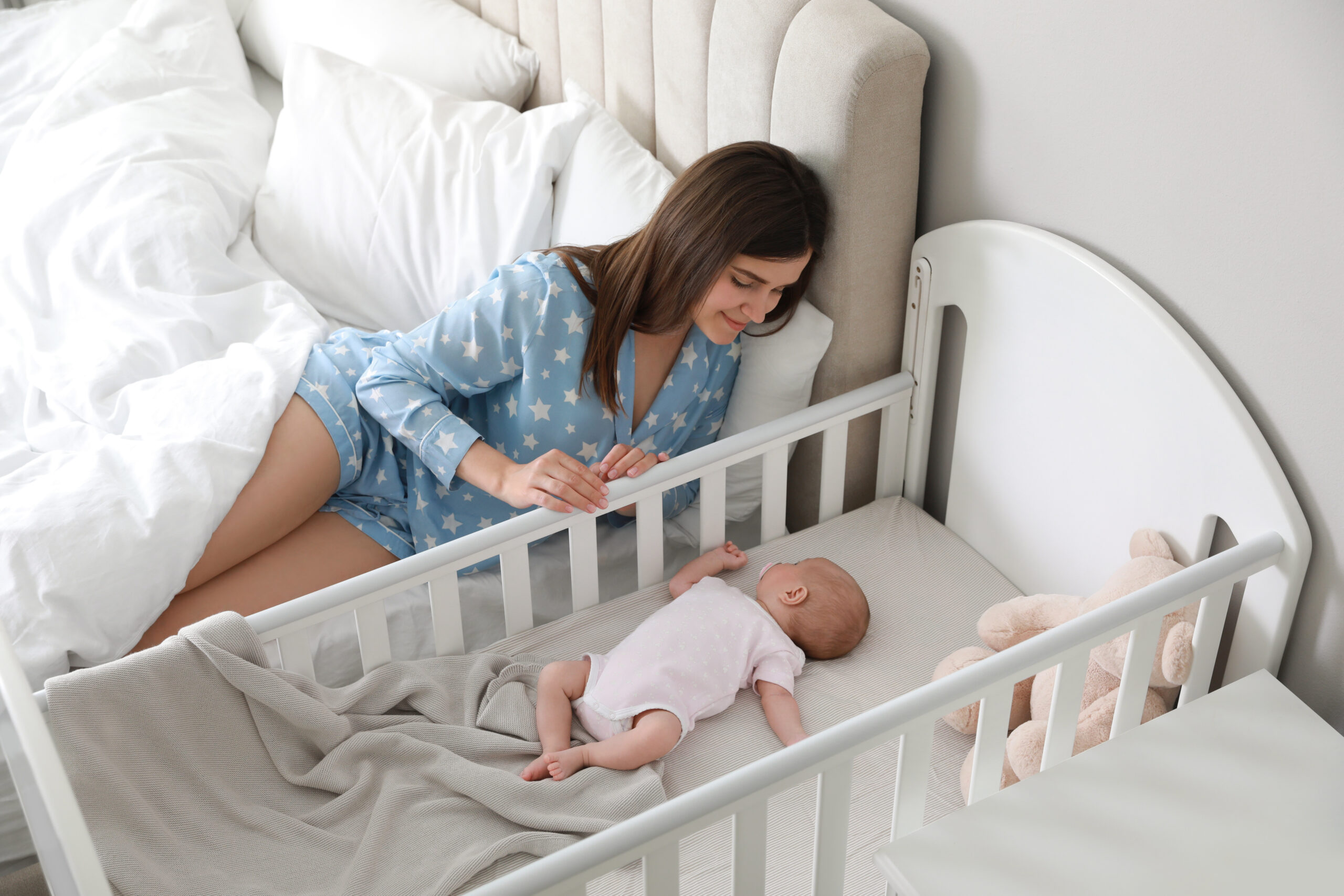
Research has highlighted the risks associated with bed-sharing, particularly for infants. The NHS and The Lullaby Trust recommend that the safest place for a baby under six months is in a separate cot or Moses basket in the same room as their parents.

Studies have found that the first six months of life are the period of highest risk for Sudden Infant Death Syndrome (SIDS), and bedsharing during this time can increase that risk.

Despite these recommendations, a survey of over 3,400 parents revealed that many parents co-sleep at least some of the time. Some parents even fall asleep with their baby accidentally, which can present serious risks if done in an unsafe environment!

Whether you decide to share your bed comes down to personal choice, but it is vitally important to know how to make it as safe as you can to avoid accidentally putting your baby at risk.

how to cosleep safely

Safe Co-Sleeping: Essential Guidelines

If you decide to co-sleep, it’s essential to follow safety guidelines to minimise the risks.

When NOT to Co-Sleep:

  • If your baby was born prematurely (before 37 weeks) or has a low birth weight (under 2.5 kg), as this is linked to a higher risk of SIDS.
  • If you or your partner have consumed alcohol or taken any drugs (prescription, over-the-counter, or illegal) that could make you drowsy.
  • If you or your partner are smokers, even if you do not smoke in the bedroom.
  • If you are on a sofa or armchair—dozing off with a baby in these settings significantly increases the risk of SIDS.
  • If your baby is left alone in bed—babies can unexpectedly move into unsafe positions.
  • If you have pets that sleep in your bed.
  • If other children are sharing the bed.

Safe Co-Sleeping Practices:

  • Ensure your baby sleeps on a firm, flat mattress with no soft bedding.
  • Keep pillows, blankets, nests, and pods away from your baby’s face and head to prevent suffocation and overheating.
  • Place your baby on one side of the bed, rather than between two adults.
  • Make sure there is no risk of your baby falling out of bed or getting trapped between the mattress and the wall.
  • Follow all the safer sleep guidelines from The Lullaby Trust and NHS guidance.

Alternatives to Bedsharing

If you want to be close to your baby at night but are concerned about the risks of bedsharing, there are safer alternatives:

  • Bedside co-sleeper cots: These attach securely to your bed with one side open, providing the closeness of bed sharing without the risks.
  • Placing a cot next to your bed: Your baby will still be near you but in their own separate sleep space.

cosleeping safely

Final Thoughts

Whether or not to bedshare is a personal decision, and many parents may wish to co-sleeping with their baby or child.

If you choose to do so, it is crucial to follow safety guidelines to minimise risks. Awareness and preparation can help ensure that both you and your baby sleep as safely as possible.


Follow all the safer sleep guidelines for your baby from The Lullaby Trust 


How to co-sleep more safely video from The Lullaby Trust.

Filed Under: All, Bed sharing Tagged With: 3 year old co-sleeping, bed share, bedside cot, co-sleeping, co-sleeping safely, does co-sleeping present a risk of SIDS, Is it ok to bed share with my baby?, is it ok to co-sleep with my baby?, is it safe to co-sleep with my baby, risk of cot death, safe sleeping, should I bed share with my baby, SIDS, sleep advice, The Lullaby Trust

November 17, 2024

Understanding Baby Sleep Cues for Better Sleep

As parents, few things are as precious as the sight of our little ones drifting off into a peaceful slumber. Yet, the journey to achieving those moments can often be filled with uncertainty and frustration, especially when it comes to understanding your baby’s sleep patterns. However, within their subtle cues lies the insight that can transform the way we approach both naps and bedtimes.

The Language of Sleep:

Babies have their own unique language when it comes to letting you know it’s time for sleep. These cues can range from subtle to unmistakable, and learning to interpret them will help to develop healthy sleep habits.
Common baby sleep cues:
  • Eye Rubbing: As fatigue sets in, babies often rub their eyes as a way to soothe themselves and prepare for sleep.
  • Yawning: A classic sign of drowsiness, frequent yawning signals that bedtime is approaching.
  • Irritability and fussiness: pulling at ears, and clenching fists can indicate that your baby is tired and in need of rest.
  • Becoming quiet and still: A decrease in movement or engagement with surroundings suggests that your baby is winding down and getting ready for sleep.
  • Ignoring interaction and losing interest in toys and people can suggest your baby is feeling tired.
  • A Glazed Expression: Staring into space or glazed-over look in your baby’s eyes can indicate fatigue and the onset of sleepiness.
baby sleep cues

Why do sleep cues matter?

  • Recognising and responding to your baby’s sleep cues is not just about ensuring a smoother bedtime routine; it’s also about meeting your baby’s need for rest and comfort.
  • Tuning into your baby’s cues will help you establish a sleeping pattern for your baby that aligns with their unique natural rhythms, promoting better sleep quality and duration.
  • Responding to your baby’s sleep cues also helps to prevent them from becoming overtired and fractious.
  • A well-rested baby can engage with the world around them, supporting healthy growth and development.
  • If you can respond to your baby’s early sleep cue signals, they will be more relaxed and find it easier to fall asleep.
baby sleep cues

To understand your baby’s sleep cues, here are some tips:

  • Observe your baby’s behaviour: Try looking for subtle changes in your baby’s behaviour and mood throughout the day. Over time you may start to see patterns and consistent cues that signal tiredness or drowsiness.
  • Learn your baby’s unique language: Every baby has their own specific cues for sleep, so try to find some time to understand and interpret your baby’s signals such as eye rubbing, yawning, becoming quiet and still, or a glazed expression.
  • Take note of timing: Try keeping track of the times when your baby typically shows signs of tiredness. This can help you anticipate their sleep needs and establish a routine around their natural rhythms.
  • Understanding your baby’s sleep cues can take time: Be kind to yourself as you observe and learn to recognise your baby’s signals for sleep. It’s a journey, and with time you and your baby will find a rhythm that works.
  Understanding and responding to your baby’s sleep cues can transform sleep times into a serene, bonding experience. By recognising their signals you can create a routine that matches their natural rhythms. This journey requires patience and observation, but it will help you establish regular sleep patterns. Be kind to yourself, and with time, you and your baby will find a rhythm that ensures more peaceful nights and well-rested days. Written by Mandy Gurney RGN.RM.DipHV Founder of Millpond Children’s Sleep ClinicHere are some helpful suggestions for understanding your baby’s sleep cues:    

Filed Under: All, Babies sleep, Baby awake for long periods at night, Baby not sleeping, Day Time Naps, How Can I Get My Baby To Sleep Better, Naps part 1, Naps part 2, Sleep Cues, Understanding young babies sleep Tagged With: Baby bedtime signals, baby sleep cues, Baby sleep development, baby sleep patterns, baby sleep tips, Bedtime routines for babies, Deciphering baby sleep cues, help baby sleep, Infant sleep behaviour, Infant sleep patterns, Newborn sleep cues, over tired baby, over tired toddler, Parenting advice for better sleep, Parenting and sleep cues, Recognizing baby sleep signals, Sleep cues for newborns, toddler sleep cues, Understanding baby sleep, what are sleep cues

June 23, 2024

Our Jet Lag Survival Guide

How to Manage Jet Lag for Your Child During the Holiday Season

jet lag

With the holiday season upon us, many families are eagerly anticipating the joy and excitement of travel. Whether you’re visiting loved ones, exploring new destinations, or simply taking a much-needed break, the prospect of creating lasting memories is thrilling. However, amidst the excitement, there’s a common concern that often weighs on parents’ minds: how will jet lag affect their child’s sleep?

This is a valid and important consideration. Children’s sleep patterns are delicate, and even minor disruptions can lead to significant challenges. The last thing any parent wants is to turn a dream holiday into a sleepless ordeal. During holidays, changes in sleep patterns are inevitable, and some children find these adjustments particularly difficult to cope with.

Fortunately, with careful planning and a few strategic tips, you can enjoy a relaxing family holiday without compromising your child’s sleep routine. In this comprehensive guide, we will provide you with practical advice and expert tips to help manage and minimise the impact of jet lag on your child’s sleep. By following these guidelines, you can ensure that your family returns home refreshed, well-rested, and with cherished memories of a wonderful holiday experience.

Planning Your Travel to Reduce Impact and Prevent Sleep Problems

Mitigating sleep problems for your little ones while on holiday requires some careful planning:

  • Travel Timing: If flying, try to travel during the day and, if possible, align with your child’s nap times.
  • Accommodation: If your child usually sleeps in their own room, book adjoining or family rooms to ensure they have their own sleeping space.
  • Comfort Items: Bring along your child’s favourite bed toy, their usual night light, and a small sheet with familiar smells from home to make their holiday bed feel welcoming and familiar.
  • Blackout Blinds: Use travel blackout blinds to block out any unwanted light and help avoid early morning waking.

sleep guide when travelling

Jet Lag Tips

On the Plane

As soon as you board the plane, adjust your child’s eating and sleeping times to match your destination’s local time. This will help them acclimate to the new time zone more quickly.

Preventing Sleep Problems When Traveling West to East

Travelling west to east shortens your day, which is more challenging for the body clock. Here are some strategies to help your child adjust:

  • Late Bedtimes and Mornings: Be prepared for later bedtimes and later morning waking.
  • First Morning Nap: Upon arrival, let your child nap for no more than two hours that first morning.
  • Daylight Exposure: Once awake, ensure your child gets plenty of sunlight to help maintain their energy until bedtime.
  • Morning Wake-Up: The biggest challenge will be waking your child in the morning. Gradually wake them 30 minutes earlier each morning and put them to bed 30 minutes earlier each night until they return to their usual sleep/wake times.
  • Morning Light: Morning light helps suppress melatonin, so plan lots of morning trips to the park.
  • Meal Timing: Keep meals and snacks as close to local time as possible.

Preventing Sleep Problems When Traveling West to East

Travelling west to east can be particularly challenging for your child’s body clock, as the day becomes shorter and you’re moving against the natural rhythm. Here are some effective tips to help prevent sleep problems for your little one:

  • Expect Late Bedtimes and Mornings: Be prepared for your child to have later bedtimes and mornings initially as they adjust to the new time zone.
  • First Morning Nap: Upon arrival, allow your child to take a nap, but limit it to no more than two hours. This will help them rest without disrupting their new bedtime.
  • Sunlight Exposure: Once your child is awake, ensure they get plenty of sunlight. Natural light helps regulate their body clock and keeps them energised until bedtime.
  • Morning Wake-Up: The most challenging part will be waking your child in the morning. Gradually adjust their wake-up time by waking them 30 minutes earlier each day and putting them to bed 30 minutes earlier each night until they are back to their usual schedule.
  • Morning Light: Exposure to morning light is crucial for suppressing melatonin and helping your child adjust to the new time zone. Plan outdoor activities, like trips to the park, to ensure they get plenty of morning sunlight.
  • Meal Timing: Try to keep meals and snacks as close to local time as possible. This helps synchronise their internal clock with the new time zone.

Travelling with less than a 2-hour time difference

  • If the local time difference is less than 2 hours, it will be easier to keep your child on UK time. This way you can all stay up a little later in the evening and even have a lie-in. The other bonus is on your return home; your child will slip back into their usual bedtime.

Helping Your Child Adjust to a New Bedroom on Holiday

When you arrive at your holiday destination, it’s important to spend time with your child in their new bedroom to help them feel comfortable and happy in their surroundings.

jet lag

Here are some tips to make the transition smoother:

  • Familiarise the Space: Start by preparing your child’s bed first. Unpack their belongings together, and if possible, play games and read stories in the room. This way, bedtime won’t be their first experience in the new space.
  • Maintain Bedtime Rituals: Follow your usual bedtime rituals every night, just as you would at home. This consistency provides a sense of security and helps your child drift off to sleep more easily.
  • Pack your Routine: Think of the bedtime routine as something you “pack” with you whenever you travel, just like a toothbrush. Familiar routines are comforting for children and will help them settle down for the night.
  • Creating a Sleep-Friendly Environment in a Hotel: If you’re all in one hotel room and your child is used to sleeping alone, consider using the bathroom as a place to “hide” while they settle to sleep. After about 10-15 minutes, once your child is in a deep sleep, you can re-enter the room without the risk of waking them.

By spending time in the new bedroom and maintaining familiar routines, you can help your child feel secure and ensure they get a good night’s sleep, making your holiday more enjoyable for the entire family.


WISHING YOU A VERY HAPPY HOLIDAY!

Filed Under: All, How to keep sleep on track on holiday, Jet lag guide Tagged With: baby travel, bedtime routine, help with jet lag, jet lag, jet lag guide, kids travel, preventing sleep problems on holiday, sleep advice, time difference, toddler travel, travel sleep tips, travel tips with kids, travel with children, travelling east, travelling on family holidays, travelling west, travelling with kids, travelling with young children

May 31, 2024

Top tips to move your toddler from cot to bed


moving from a cot to a bed

Are you thinking about transitioning your child from their cot to a big bed? It’s a significant milestone that comes with both excitement and apprehension. But, don’t worry, we’ve got you covered.

In this blog, we’ll discuss everything you need to know about transitioning your child from their familiar cot to a new bed. We’ll explore the challenges, joys, and strategies to make this journey as smooth as possible, from understanding when it’s the right time to make the switch to creating a comforting sleep environment.

Keep reading to find out how to make the transition as smooth as possible and ensure your child’s journey to dreamland is filled with comfort, security, and the warmth of your love.

When is the best time to start

  • Choose a time for the transition when your child is relatively stable in their sleep routine and not going through any major changes or disruptions in their life. Avoid periods of stress or upheaval, such as moving house or starting a new nursery.
  • Introduce the new bed gradually and start by placing the new bed in their room alongside their cot for a few days before making the switch. This your child to become familiar with the new bed and feel comfortable with the change.
  • Use familiar bedding and sleep associations in the new bed to help your child feel secure.  You could put their favourite blanket, stuffed animals, and any other comfort items from their cot to their new bed. The familiar smells and textures will help ease the transition.
  • If you have an older sibling who can help, ask them to snuggle down in the bed to show how much they would like to sleep there.

We have another baby on the way

  • It’s important to prepare your child for the change well in advance of having your next baby.
  • Take down the cot a few weeks before the baby is due and replace it with a bed in the same position.
  • Involve your child in decisions about the new bed and focus on a theme that reflects their favourite colour or character.
  • Create a sense of occasion by putting special pictures on the wall by their bed.
  • Use books and magazines to show them pictures of big children in nice beds and small babies in cots.

Keeping your child safe in their new bed

  • When your child first moves into a bed, it’s normal for them to fall out.
  • To keep them safe, choose a bed that is low to the ground and has a safety guard.
  • Childproof the bedroom with safety catches on windows and doors and secure furniture to the walls.
  • Clear toys and objects away at bedtime, especially things that could be used for climbing.
  • Consider putting up a stair gate across the bedroom door the day you introduce the bed to stop night-time wandering.

Routine is key when it comes to sleep

  • Aim to carry out the same series of steps every night, about 30 minutes before your child goes to bed.
  • Have a warm, relaxing bath lasting no longer than 10 minutes, and then go straight from the bathroom into the bedroom.
  • Dim the lights in the bedroom to help with the production of the sleep hormone melatonin.
  • Read one or two stories, have a cuddle and kiss goodnight, and tuck them in with their favourite soft toy so they are warm and cosy.
  • Then leave the bedroom with them drowsy, so they learn to fall asleep independently.
  • Your child should be asleep about 15 minutes later.


If you would like to speak to one of our sleep consultants about how you can guide your baby or child towards better sleep, please reach out today. We can chat with you about how we can help offer practical and gentle sleep strategies.

Written by Mandy Gurney RGN.RM.Dip HV.

Founder Millpond Children’s Sleep Clinic


Filed Under: All, Climbing out of the cot, Moving your child from a cot to a bed Tagged With: Bedtime Behavior, Bedtime Rituals, bedtime routine, Bedtime Success, Child Development, Child Milestones, climbing out of the cot, Moving from Cot to Bed, moving to a big bed, moving your child into their own room, outgrown the cot, Parenting Advice, Parenting Challenges, Parenting Support, Parenting Tips, preparing to move into a big bed, Room Transition, Safety Measures, Sleep Environment, Sleep Patterns, sleep training, Sleep Transition, Toddler Independence, toddler sleep, Toddler Transition, transition from cot to bed

April 1, 2024

How Evening Lighting Affects Your Baby’s Sleep

How Evening Lighting Affects Your Baby’s Sleep: Tips for Better Nighttime Rest

Darkness plays a crucial role in our ability to achieve restful sleep.

Our body clock is closely synchronised with the rising and setting of the sun, keeping us alert during the day and signalling when it’s time to sleep at night. However, in our modern world, artificial lighting and screens have extended our days and become an integral part of our evening routines. This enables us to stay awake and utilise our time with activities such as exercising, working, or watching our favourite programmes late into the night. While this convenience is undeniable, it can interfere with our natural rhythms and can cost us our sleep quality.

The process begins when light enters the eye and travels through the optic nerve to the brain’s master clock. This master clock, located in the hypothalamus, uses these light signals to regulate various body functions, including sleep.

In the morning, exposure to light signals the master clock that it’s time to wake up. It responds by sending messages throughout the brain and body to increase body temperature and release hormones like cortisol, which help us feel alert and energised.

As evening approaches and light levels decrease, the master clock triggers the release of melatonin, the hormone responsible for making us feel sleepy. This process helps prepare our body for rest.

However, receiving bright light at the wrong times, especially before bed, can confuse the body clock. This disruption can lead to misaligned circadian rhythms, resulting in poor sleep quality, altered energy levels, and potential negative impacts on mood and overall health.

By understanding how light affects our body clock, we can take steps to reduce exposure to artificial light in the evening, helping to maintain a healthy sleep-wake cycle and improve our overall well-being.

circadium

Tips for Evening Lighting to Support Better Sleep

  • Opt for Dim, Warm Lighting:
    Use amber or orange-coloured lights in the evening, particularly for night lights. This type of lighting has the least impact on melatonin suppression. Think of it as mimicking the natural light of a candle or fire, similar to what our ancestors would have experienced in the evening.
  • Limit Screen Time Before Bed:
    Avoid exposure to screens, including phones, tablets, and TVs, at least one to two hours before bedtime. The blue light emitted by these devices is known to suppress melatonin production, making it harder for you to fall asleep.
  • Dim the Bathroom Lights Before Bed:
    Bright bathroom lights can trick the body into thinking it’s still daytime, disrupting melatonin production. Consider using a dimmer switch or a lower-intensity mirror light while preparing for bed to help your body transition into sleep mode.
  • Gentle Lighting for Your Baby’s Room:
    Your baby’s room doesn’t need to be pitch black. A small plug-in night light with a soft low-level glow can provide enough illumination to see by without significantly disrupting sleep. Keeping this light on throughout the night can help maintain consistent lighting levels, which is beneficial if you need to attend to your baby during the night.
  • Maximise Daytime Light Exposure:
    During the day, expose yourself and your little ones to plenty of bright, natural light. This exposure not only boosts mood and alertness but also helps regulate your sleep-wake cycle, making it easier to fall asleep at night.


how light can my baby's bedroom be

By being mindful of how we use light, especially in the hours leading up to bedtime, we can create an environment that supports better sleep for both ourselves and our children.

Simple adjustments, like choosing the right type of lighting and reducing screen time, can make a significant difference in improving the quality of your families sleep.


Filed Under: All, How Dark Should My Baby’s Bedroom Be? Tagged With: ArtificialLightEffects, BabySleepHealth, BabySleepTips, BedtimeRoutine, bright lights in the evening, ChildSleepAdvice, CircadianRhythm, does my child's room need to be dark, EveningLighting, EveningRoutine, healthy sleep environment, HealthySleep, how dark should my baby's room be, light at night, LightExposure, melatonin, NaturalSleepCycle, night light, nightlights, NighttimeRest, OptimalLighting, ParentingTips, RestfulSleep, should I keep a light on in my baby's room, SleepHygiene, sleeping environment, SleepQuality, SleepScience

  • 1
  • 2
  • 3
  • …
  • 6
  • Next Page »

Would you like to be kept up-to-date?

Subscribe to our free monthly newsletter

Millpond Logo

Quick Links

  • Sleep Packages
  • Workshops & Seminars
  • Sleep Advice Videos
  • Case studies
  • Our Sleep Shop
  • Blogs
  • FAQs about Sleep Consultants & Children’s Sleep

Contact Us

sleep@millpondsleepclinic.com 020 8444 0040

Follow us

  • Privacy Policy
  • Terms
All rights reserved. Copyright © Millpond Sleep Clinic Ltd 2026

This site is protected by reCAPTCHA and the Google Privacy Policy and Terms of Service apply.